

1099 Job Tips from Tax Experts: Complete Guide to Freelance Work Success
Working as a 1099 contractor offers incredible flexibility and independence, but it comes with unique financial and tax responsibilities that many freelancers overlook. Whether you’re transitioning from traditional employment or exploring entry-level jobs with no experience, understanding 1099 work fundamentals is essential for protecting your income and staying compliant with tax regulations.
The 1099 employment structure has grown exponentially over the past decade, with millions of professionals choosing contract work for its autonomy and earning potential. However, this independence comes with a critical trade-off: you’re responsible for managing your own taxes, health insurance, retirement planning, and business expenses. Tax experts consistently emphasize that proper planning and organization from day one can save contractors thousands of dollars and prevent costly penalties.
Understanding 1099 Contractor Status and Tax Obligations
A 1099 contractor is essentially a self-employed individual who receives income from clients without being classified as an employee. The name comes from Form 1099-NEC (Nonemployee Compensation), which clients use to report payments to the IRS. Unlike W-2 employees, 1099 contractors don’t have taxes withheld from their paychecks, making it your responsibility to manage tax liability throughout the year.
Tax experts stress that understanding the distinction between contractor and employee status is fundamental. The IRS uses specific criteria to determine worker classification, focusing on behavioral control, financial control, and the relationship type. If a client determines when you work, how you work, and provides tools and training, they may be misclassifying you as a contractor. This misclassification can result in serious penalties for both parties.
One critical advantage of 1099 work is the ability to deduct business expenses, which employees cannot do. This includes home office expenses, equipment, software subscriptions, professional development, and vehicle costs. However, you must maintain meticulous records and ensure expenses are directly related to generating income.
The self-employment tax rate for 1099 contractors is 15.3% (12.4% for Social Security and 2.9% for Medicare), which is significantly higher than employees pay because contractors must cover both the employer and employee portions. This makes tax planning even more critical for independent contractors.
Setting Up Your 1099 Business Structure
Before accepting your first 1099 contract, tax professionals recommend establishing a clear business structure. While you can operate as a sole proprietor (the simplest option), many contractors benefit from forming an LLC (Limited Liability Company) or S-Corp, depending on their income level and circumstances.
A sole proprietorship requires minimal paperwork and startup costs, making it ideal for those just starting their 1099 journey. However, it offers no legal protection if you’re sued or face liability issues. An LLC provides liability protection while maintaining tax flexibility and relatively simple administration.
An S-Corp election can be advantageous if you earn significant income, as it allows you to split earnings into salary and distributions, potentially reducing self-employment tax liability. However, S-Corps require more administrative work, including payroll processing and additional tax filings. Tax experts recommend consulting a CPA before choosing this structure, as the setup and ongoing costs may only make sense at higher income levels.
Regardless of structure, open a separate business bank account immediately. This creates a clear separation between personal and business finances, simplifies tax preparation, and demonstrates professionalism to clients. Many banks offer business accounts with minimal fees for freelancers and contractors.
Quarterly Tax Payments and Estimated Taxes
One of the most common mistakes 1099 contractors make is failing to set aside money for taxes throughout the year. The IRS requires estimated quarterly tax payments from self-employed individuals who expect to owe $1,000 or more in taxes. These payments are due on April 15, June 15, September 15, and January 15.
Tax experts recommend calculating your estimated tax liability by projecting annual income and applying the self-employment tax rate plus your regular income tax rate. If you’re uncertain about your income, use conservative estimates and adjust quarterly if needed. Underpaying estimated taxes results in penalties and interest, which compounds your overall tax burden.
A practical strategy is to set aside 25-30% of every payment you receive in a dedicated savings account. This buffer accounts for self-employment taxes, income taxes, and unexpected expenses or slow months. Some contractors prefer setting aside 30-35% if they live in high-tax states or have variable income.
The IRS provides Form 1040-ES to help calculate estimated taxes, and most tax software includes estimated tax calculators. However, working with a tax professional familiar with 1099 work can provide personalized guidance based on your specific situation and help identify tax-saving opportunities.
Missing quarterly payments doesn’t result in immediate penalties, but the IRS will assess interest and underpayment penalties when you file your annual return. Staying current with quarterly payments demonstrates good faith compliance and minimizes potential issues during audits.
Deductible Business Expenses Every Contractor Should Know
Understanding what you can deduct is essential for maximizing your tax benefits. The IRS allows deductions for ordinary and necessary business expenses, which significantly reduces your taxable income. Common deductible expenses for 1099 contractors include:
- Home office: Deduct either actual expenses (rent, utilities, insurance proportional to office space) or use the simplified method ($5 per square foot, up to 300 square feet annually)
- Equipment and supplies: Computers, software, office furniture, and professional tools directly used for work
- Software and subscriptions: Project management tools, accounting software, design platforms, and industry-specific applications
- Professional development: Courses, certifications, conferences, and books related to your field
- Vehicle expenses: Mileage to client meetings, business travel, or the standard mileage deduction (67.5 cents per mile in 2023)
- Internet and phone: Business portion of your internet and phone bills
- Insurance: Professional liability insurance and business property insurance
- Meals and entertainment: 50% deduction for business meals and client entertainment
- Travel: Flights, hotels, and meals while traveling for business purposes
- Contractor services: Payments to other contractors or subcontractors for work on your projects
Many contractors underutilize deductions because they’re unsure what qualifies. Tax experts recommend keeping detailed records and receipts for everything, then consulting with a tax professional to identify deductions you might have missed. Common overlooked deductions include home internet upgrades, professional clothing specific to your industry, and business gifts.
The key principle is that expenses must be both ordinary (common in your industry) and necessary (helpful in generating income). Personal expenses like groceries or general household items don’t qualify, even if you work from home. However, office-specific furniture, lighting, and equipment do qualify.
Record Keeping and Documentation Systems
Proper documentation is your best defense against IRS scrutiny and essential for accurate tax filing. Tax experts emphasize that maintaining organized records throughout the year prevents scrambling during tax season and provides evidence if you’re ever audited.
Implement a system that tracks income from each client, including invoices, payment dates, and amounts received. Use accounting software like QuickBooks, FreshBooks, or Wave to automatically categorize expenses and generate reports. These platforms integrate with your bank accounts and simplify quarterly and annual tax preparation.
For expense tracking, keep receipts for all business purchases, whether digital or physical. Photograph receipts if you prefer digital storage, and use cloud services like Google Drive or Dropbox to maintain backups. Create folders organized by expense category and month, making it easy to locate documentation if needed.
Maintain a mileage log if you deduct vehicle expenses, recording dates, destinations, mileage, and business purpose for each trip. The IRS scrutinizes mileage deductions heavily, so detailed logs are essential. Many contractors use smartphone apps like MileIQ to automate this tracking.
Document client relationships clearly, including contracts, scope of work, payment terms, and communication records. This protects you if disputes arise and demonstrates the legitimacy of your contractor status if questioned by the IRS. Keep copies of all contracts for at least seven years, as the IRS can audit returns from previous years.
Tax experts recommend conducting monthly reconciliation, comparing your records with bank statements and client invoices. This catches errors early and ensures your accounting system remains accurate. Monthly reviews also help you track income trends and adjust business strategies as needed.
Self-Employment Tax Strategies
Self-employment tax is a significant burden for 1099 contractors, but several strategies can reduce your liability. The first strategy is maximizing deductions, which directly reduces your taxable income and therefore your self-employment tax burden.
If your income is substantial, consider forming an S-Corp. By electing S-Corp status, you can pay yourself a reasonable salary (subject to self-employment tax) and take the remainder as distributions (not subject to self-employment tax). This strategy typically makes sense when your net profit exceeds $60,000 annually, though this varies by location and circumstances.
Contributing to a high-paying jobs path often involves building your own business, which means retirement planning becomes your responsibility. Solo 401(k) plans and SEP-IRAs allow you to contribute significantly more than traditional IRAs, reducing taxable income while building retirement savings. A Solo 401(k) allows contributions up to $66,000 annually (2023), while a SEP-IRA allows up to 25% of net self-employment income.
The Qualified Business Income (QBI) deduction allows eligible self-employed individuals to deduct up to 20% of qualified business income, providing substantial tax savings. This deduction has specific limitations based on taxable income levels, so consult a tax professional to determine your eligibility.
Health insurance costs are fully deductible for self-employed individuals, even if you take the standard deduction on your personal return. This deduction applies to health, dental, and vision insurance premiums, making it one of the most valuable deductions available to contractors.
Health Insurance and Retirement Planning
As a 1099 contractor, you lose employer-provided benefits, requiring you to take proactive steps for health coverage and retirement savings. The Health Insurance Marketplace (healthcare.gov) offers plans for self-employed individuals, often with subsidies based on income. Shop during open enrollment periods to find affordable coverage.
Some contractors qualify for spouse or family member coverage through another job, while others join professional associations that offer group health plans. Research industry-specific organizations that provide benefits to members, as these often offer better rates than individual plans.
Retirement planning is equally critical. Without employer 401(k) matching, you must establish your own retirement savings vehicles. A Solo 401(k) is ideal if you have no employees, offering high contribution limits and loan options. A SEP-IRA is simpler to administer if you prefer less paperwork.
Tax experts recommend automating retirement contributions by setting up monthly transfers to your retirement account. This ensures consistent savings and reduces the temptation to spend money you should be saving. Even modest contributions compound significantly over decades.
Additionally, consider disability insurance and life insurance, which protect your income if you become unable to work. These are often overlooked by contractors but essential for financial security. Professional liability insurance is also valuable, particularly in consulting, design, and technical fields.
Finding and Vetting 1099 Opportunities
Successfully finding 1099 work requires different strategies than traditional job searching. Platforms like Upwork, Fiverr, and Toptal connect freelancers with clients, though competition is fierce. Building a strong portfolio and maintaining excellent reviews is essential for success on these platforms.
Professional networks often provide better opportunities than online platforms. Attend industry conferences and networking events to build relationships with potential clients. Many 1099 opportunities come through referrals from existing clients or professional contacts, which typically offer better rates and more stable work.
LinkedIn is invaluable for 1099 job hunting. Create LinkedIn job alerts for contract positions in your field, and actively engage with your network to signal your availability. Many companies post contract opportunities on LinkedIn before listing them elsewhere.
When evaluating 1099 opportunities, assess several factors beyond compensation. Consider payment terms (net 30, net 60, etc.), project duration, client stability, and whether the client typically pays on time. Request references from other contractors who’ve worked with the client, and check their payment reputation on platforms like Upwork.
Negotiate terms clearly before starting work. Specify deliverables, timelines, payment schedule, and what happens if scope changes. A well-written contract protects both parties and prevents disputes. Many contractors use templates from LawDepot or Rocket Lawyer to create professional agreements.
Diversify your client base to reduce income volatility. Relying on one or two large clients creates financial risk if they reduce work or terminate the relationship. Tax experts recommend aiming for at least 3-5 consistent clients, which provides stability while allowing flexibility.
When exploring jobs near you now hiring, consider hybrid approaches combining local contract work with remote opportunities. Local clients often pay better and may prefer in-person collaboration, while remote work provides geographic flexibility.

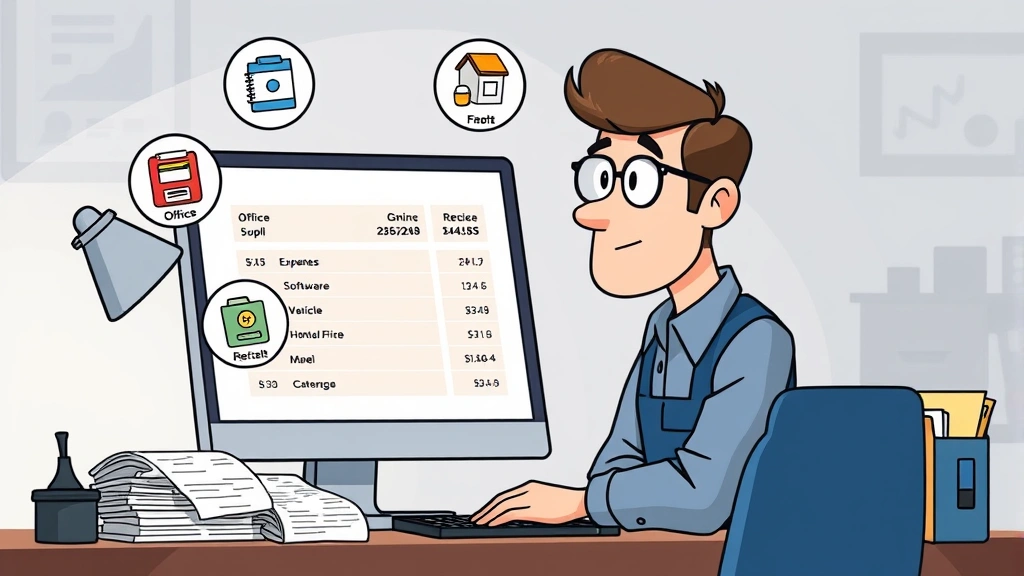
” alt=”Freelancer sitting at desk with laptop, calculator, and spreadsheets, organizing finances with confident expression”>
Common 1099 Contractor Mistakes to Avoid
Tax professionals consistently see the same mistakes among 1099 contractors, many of which are preventable with proper planning. The first major mistake is failing to set aside money for taxes, resulting in insufficient funds when quarterly payments or annual taxes are due.
Another common error is misclassifying expenses or claiming deductions without documentation. The IRS scrutinizes high deduction percentages, particularly home office deductions, vehicle expenses, and meals. Always maintain receipts and detailed records to support claimed expenses.
Mixing personal and business finances is problematic for both accounting accuracy and IRS audits. Maintaining separate accounts demonstrates professionalism and simplifies tax preparation. It also provides clear evidence of business legitimacy if your contractor status is ever questioned.
Failing to track mileage properly is another frequent mistake. The IRS allows mileage deductions but requires detailed documentation. Without a contemporaneous mileage log, the IRS may disallow your entire deduction, resulting in additional taxes owed.
Many contractors overlook quarterly estimated tax payments, assuming they’ll handle everything when filing their annual return. This approach results in penalties and interest, even if you ultimately owe the correct amount. Staying current with quarterly payments demonstrates good faith and minimizes potential issues.
Underestimating income or failing to report all income is a serious mistake that can trigger audits and penalties. Track all income from every source, including payments received outside formal invoicing. The IRS cross-references 1099s submitted by clients, so unreported income is easily detected.
Finally, attempting complex tax situations without professional help is risky. If you have significant income, multiple income sources, or complex deductions, hire a CPA familiar with 1099 work. The cost of professional help is minimal compared to potential errors or missed tax-saving opportunities.
Working with Tax Professionals and Resources
Hiring a tax professional who understands 1099 work is one of the best investments a contractor can make. A CPA or tax specialist familiar with self-employment can identify deductions you’ve missed, help optimize your business structure, and ensure you’re compliant with all tax obligations.
When selecting a tax professional, look for those with specific experience working with contractors and freelancers. Ask about their approach to quarterly planning, what documentation they need, and how they stay current with changing tax laws. Many offer free initial consultations, allowing you to assess their knowledge and communication style.
Tax software like TurboTax Self-Employed, TaxAct, and H&R Block offer affordable options for contractors with straightforward situations. These programs guide you through the process and provide educational resources. However, they’re less suitable if you have complex deductions or multiple income sources.
The IRS provides valuable resources on its website, including Publication 587 (Business Use of Your Home) and Publication 334 (Tax Guide for Small Business). These publications detail deductible expenses and record-keeping requirements. Additionally, the SCORE mentorship program offers free business guidance from experienced entrepreneurs.
Professional associations in your field often provide tax resources and guidance specific to your industry. These organizations may offer webinars, publications, and networking opportunities that help you understand tax issues relevant to your work. Membership often includes access to preferred service providers, including accountants and legal professionals.
” alt=”Professional woman holding tablet showing tax documents and financial charts, smiling with organized workspace in background”>
Consider joining online communities of contractors and freelancers where members share tax tips and experiences. Platforms like Reddit’s r/freelance and specialized Facebook groups provide peer support and practical advice. However, always verify information with professional sources, as community advice may not apply to your specific situation.
Planning for Tax Season as a 1099 Contractor
Successful tax season management begins months before the April filing deadline. Starting in January, organize all income documentation, including 1099s from clients. The IRS requires clients to send 1099-NECs by January 31, though you should begin collecting documentation earlier.
Review your accounting records and reconcile them with bank statements. Look for any discrepancies or missing documentation. If you discover errors, address them immediately rather than leaving them for tax preparation time. This ensures your tax return accurately reflects your actual income and expenses.
Gather all expense documentation, organized by category. If you’ve maintained good records throughout the year, this process is straightforward. If not, you’ll need to review bank statements, credit card statements, and receipts to reconstruct your expenses.
Calculate any home office deduction using either actual expenses or the simplified method. For actual expenses, gather utility bills, mortgage or rent statements, insurance documents, and property tax information. Calculate the percentage of your home used for business and apply this to your total expenses.
Review your estimated tax payments to ensure you’ve paid the correct amounts. If you’ve underpaid, you’ll owe additional taxes plus interest and potentially penalties. If you’ve overpaid, you’ll receive a refund. Adjust next year’s estimated payments accordingly.
If you’ve made significant income changes or expect your next year’s income to differ substantially, recalculate estimated tax payments for the following year. Updating estimates early allows you to adjust payments before they’re due, avoiding overpayment or underpayment issues.
Finally, schedule your tax preparation appointment early. Tax professionals are busiest in February and March, and early appointments ensure thorough work without rushing. If you’re preparing your own return, allocate sufficient time to accurately complete all forms and schedules.
Building a Sustainable 1099 Career
Beyond tax compliance, sustainable 1099 work requires strategic business decisions. Regularly evaluate your rates to ensure you’re compensated appropriately for your expertise. As you gain experience and build your reputation, increase rates gradually. Existing clients often accept rate increases, and new clients expect market rates.
When writing your professional resume summary, emphasize your contractor experience and independent accomplishments. This positions you for better opportunities and higher rates. Showcase specific projects, results, and client testimonials that demonstrate your value.
Build a strong online presence that attracts clients organically. A professional website showcasing your portfolio, testimonials, and expertise helps you command higher rates than platform-dependent contractors. Consistently publishing content in your field establishes authority and attracts inbound opportunities.
Network actively within your industry. Prepare for job fairs and industry events by developing your elevator pitch and bringing business cards. Many lucrative 1099 opportunities come through personal connections rather than online platforms.
Invest in continuous learning and skill development. The most successful contractors stay current with industry trends and expand their capabilities. Allocate part of your income to professional development, certifications, and tools that increase your value to clients.
Consider your long-term goals when making business decisions. Some contractors view 1099 work as temporary, while others build sustainable independent practices. Your business structure, rate-setting, and client selection should align with your long-term vision.
FAQ
What’s the difference between a 1099 and W-2 employee?
A 1099 contractor is self-employed and responsible for managing taxes, while a W-2 employee has taxes withheld by their employer. Contractors also have more business expense deductions available but must pay both employer and employee portions of payroll taxes. The IRS uses specific criteria to determine proper classification based on control, financial arrangements, and relationship type.
Do I need to register my 1099 business?
Requirements vary by location and business type. Many contractors can operate as sole proprietors without formal registration, though a business license may be required locally. An LLC requires filing articles of organization with your state, while an S-Corp election requires filing with the IRS. Consult your state’s business registration office for specific requirements.
How much should I set aside for taxes?
Most tax experts recommend setting aside 25-30% of income for taxes, though this varies based on your tax bracket and location. High earners and those in high-tax states may need to set aside 35-40%. Consult a tax professional for personalized recommendations based on your specific situation.
What happens if I miss quarterly tax payments?
Missing quarterly payments doesn’t result in immediate penalties, but the IRS assesses interest and underpayment penalties when you file your annual return. These penalties compound over time, making it important to catch up as soon as possible. If you expect to owe significantly, make payments immediately to minimize penalty accumulation.
Can I deduct home office expenses?
Yes, you can deduct home office expenses using either the simplified method ($5 per square foot, maximum $1,500 annually) or actual expenses method (proportional share of utilities, rent, insurance, etc.). Maintain detailed records and ensure the space is used exclusively for business purposes.
What retirement options are available for 1099 contractors?
Popular options include Solo 401(k)s (up to $66,000 annually in 2023), SEP-IRAs (up to 25% of net income), and traditional or Roth IRAs (limited contributions). Solo 401(k)s offer the highest contribution limits and loan options, while SEP-IRAs are simpler to administer. Consult a financial advisor for recommendations based on your income and goals.
Should I hire a tax professional?
For most contractors with significant income or complex situations, hiring a tax professional is worthwhile. They identify deductions you might miss, optimize your business structure, and ensure compliance with all tax obligations. The cost typically pays for itself through identified deductions and tax savings.
How long should I keep business records?
The IRS can audit returns from up to three years prior, but may go back further if they suspect substantial underreporting. Keep records for at least seven years to be safe. Maintain documentation for all income, expenses, mileage, and business decisions during this period.