
What is a 1099 Job? Tax Expert Insights
A 1099 job represents an independent contractor position where you’re not classified as a traditional employee. Instead of receiving a W-2 form at year-end, you’ll receive a Form 1099-NEC (Nonemployee Compensation) from clients or companies you work for. This fundamental distinction changes everything about how you manage taxes, benefits, and your career path. Understanding 1099 positions is crucial for anyone exploring freelance work, consulting, or contract-based employment in today’s gig economy.
The name “1099” comes directly from the IRS form used to report income from independent contractors. Unlike traditional W-2 employees, 1099 contractors are responsible for managing their own taxes, health insurance, retirement planning, and other benefits. This flexibility attracts many professionals seeking autonomy, but it also demands greater financial literacy and self-discipline. Whether you’re considering a 1099 job opportunity or already working independently, knowing the ins and outs of this employment structure is essential for financial success.

Understanding 1099 Employment Classification
When you work as a 1099 contractor, you’re essentially running your own business. The company or individual paying you considers you a vendor rather than an employee. This classification has significant implications for your work arrangement, financial obligations, and career development. The IRS uses specific criteria to determine whether someone should be classified as an independent contractor or employee, and misclassification can result in penalties for both workers and employers.
The 1099 designation applies to various professions and industries. You might encounter 1099 job opportunities in consulting, freelance writing, graphic design, software development, accounting, marketing, and countless other fields. Some professionals work exclusively as 1099 contractors, while others combine contract work with traditional employment. The flexibility of 1099 work appeals particularly to those seeking to build multiple income streams or maintain greater control over their schedules and client selection.
Understanding your status as a 1099 contractor means recognizing that you have no employer-employee relationship. You’re not eligible for unemployment insurance, workers’ compensation through your client, or the standard benefits package. However, you gain significant autonomy in how you structure your work, which clients you accept, and how you price your services. This independence is why many professionals actively seek 1099 positions despite the additional responsibilities.
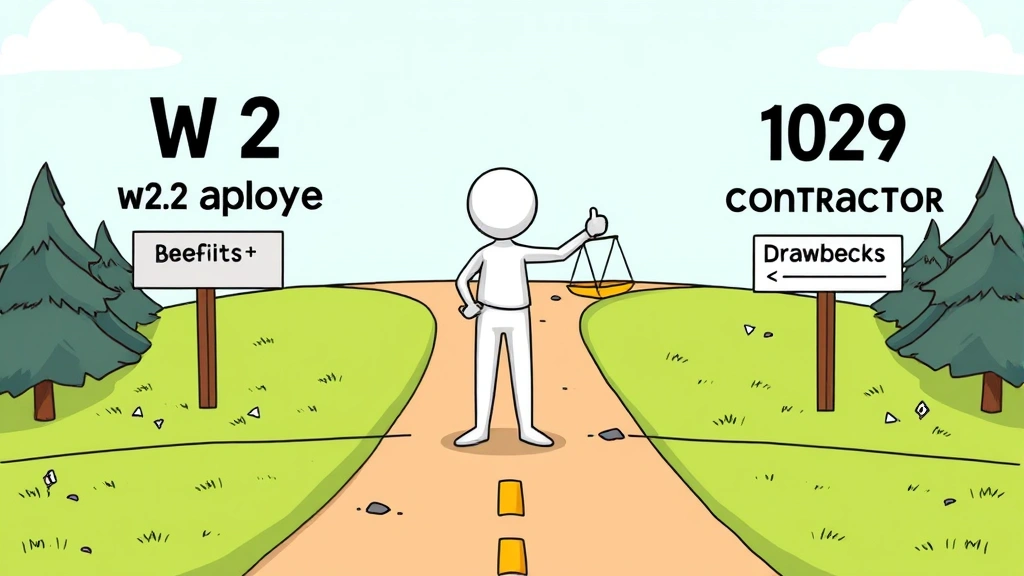
Key Differences Between 1099 and W-2 Jobs
The distinction between 1099 and W-2 employment fundamentally shapes your professional experience and financial planning. W-2 employees have employers who withhold federal income tax, Social Security, and Medicare taxes from their paychecks. The employer also covers half of the Social Security and Medicare taxes. With 1099 work, you receive the full payment without withholding, and you’re responsible for paying both the employee and employer portions of these taxes yourself.
Tax Responsibilities represent the most significant difference. W-2 employees file a standard tax return and claim deductions. 1099 contractors must file Schedule C (Profit or Loss from Business) with their tax return, calculate quarterly estimated tax payments, and track all business expenses. This requires more sophisticated tax planning and often necessitates working with a tax professional familiar with self-employment taxation.
Benefits and Protections differ dramatically. W-2 employees typically receive health insurance, retirement plans, paid time off, and workers’ compensation. 1099 contractors must secure their own health insurance, establish their own retirement plans like a Solo 401(k) or SEP-IRA, and don’t receive paid vacation or sick days. They also don’t have workers’ compensation coverage if injured on the job.
Work Control varies significantly. W-2 employers dictate how, when, and where work gets done. 1099 contractors typically control these aspects, though the company paying them can specify what the final deliverable should be. This distinction is important because the IRS uses “control” as a key factor in determining proper classification. If a company exerts too much control over a 1099 contractor’s work, it may indicate misclassification.
Financial Stability differs as well. W-2 employees receive consistent paychecks and can rely on steady income. 1099 contractors often face variable income, may need to pursue their own clients, and must manage cash flow carefully. However, 1099 work often pays higher hourly or project rates to compensate for lack of benefits and income stability.
Tax Obligations and Self-Employment Tax
Self-employment tax represents the most substantial additional tax burden for 1099 contractors. This tax covers Social Security and Medicare and amounts to approximately 15.3% of your net self-employment income (12.4% for Social Security up to an annual cap, and 2.9% for Medicare). W-2 employees pay half of this through payroll withholding, with employers covering the other half. As a 1099 contractor, you pay both portions.
Quarterly Estimated Tax Payments are mandatory for 1099 contractors earning over $400 annually. The IRS expects you to pay taxes throughout the year rather than in one lump sum on April 15th. Most contractors calculate their expected annual income and divide it by four to determine quarterly payments due on April 15, June 15, September 15, and January 15. Failure to make these payments can result in penalties and interest charges.
Calculating quarterly estimates requires projecting your income for the year, accounting for business expenses, and estimating your tax liability. Many contractors underestimate their income or overestimate expenses, leading to insufficient quarterly payments. Working with a tax professional or using tax software designed for self-employed individuals helps ensure accurate estimates and prevents surprises at tax time.
Deductible Business Expenses reduce your taxable self-employment income. Common deductions for 1099 contractors include home office expenses, equipment and software, professional development, marketing costs, insurance premiums, vehicle expenses, meals and entertainment related to business, and travel expenses. Keeping meticulous records and receipts for all business expenses is essential. The IRS scrutinizes self-employed individuals more frequently than W-2 employees, so documentation becomes crucial.
You should also understand the Qualified Business Income (QBI) Deduction, which allows eligible self-employed individuals to deduct up to 20% of their business income. This deduction can significantly reduce your tax liability, but eligibility depends on your income level and business type. A tax professional can help you maximize this valuable deduction.
Benefits and Drawbacks of 1099 Work
1099 positions offer compelling advantages that attract professionals across industries. Flexibility stands as the primary benefit—you control your schedule, choose your clients, and determine your work location. This autonomy appeals to parents managing childcare, students balancing education, or anyone preferring to work outside traditional office environments. You can scale your workload up or down based on personal needs or financial goals.
Income Potential often exceeds comparable W-2 positions. Since companies don’t provide benefits or employment protections, they typically pay 1099 contractors higher rates. Skilled professionals can command premium pricing, especially in high-demand fields. Additionally, you can pursue multiple clients simultaneously, diversifying income streams and reducing dependence on a single employer.
Professional Independence appeals to entrepreneurs and those seeking autonomy. You’re essentially running your own business, which can be more fulfilling than traditional employment for many professionals. You make decisions about your brand, client selection, service offerings, and business growth. This independence fosters creativity and allows you to build a portfolio aligned with your professional goals.
However, 1099 work presents significant drawbacks. Lack of Benefits means you must personally fund health insurance, which can be expensive. You won’t have employer-sponsored retirement plans, so saving for retirement requires self-directed effort and discipline. Paid time off doesn’t exist—when you’re not working, you’re not earning.
Income Instability creates financial stress for many contractors. Unlike W-2 employees with guaranteed paychecks, 1099 income fluctuates. Client projects end, clients delay payments, or work opportunities dry up. This unpredictability makes budgeting challenging and requires maintaining emergency savings of six to twelve months of expenses.
Administrative Burden increases significantly. You must manage invoicing, track expenses, file quarterly taxes, handle your own accounting, and stay compliant with business regulations. These tasks consume time and energy that W-2 employees’ employers handle. Many contractors hire accountants or bookkeepers, adding to their overhead costs.
Lack of Legal Protections is another concern. You’re not covered by unemployment insurance, workers’ compensation, or employment discrimination laws in the same way W-2 employees are. If injured while working, you have no workers’ compensation coverage. This vulnerability requires careful risk management and potentially business liability insurance.
Finding and Evaluating 1099 Positions
Finding quality 1099 opportunities requires different strategies than traditional job hunting. Specialized job platforms like Upwork, Fiverr, Toptal, and Guru cater to contract work. LinkedIn allows you to indicate your willingness to work on contract projects. Industry-specific job boards often list 1099 positions in fields like writing, design, programming, and consulting. Networking remains valuable—many 1099 opportunities come through referrals from previous clients or professional connections.
When evaluating 1099 job opportunities, assess the rate and compensation structure carefully. Ensure the offered rate accounts for self-employment taxes, benefits you’re not receiving, and administrative overhead. Consider whether you’ll be paid hourly, per project, or on retainer. Clarify payment terms—how often invoices are paid and what happens if a client disputes charges.
Evaluate the client stability and reputation thoroughly. Research the company or individual hiring you. Check references if possible. Assess whether they have a history of paying contractors promptly and treating them professionally. Red flags include unrealistic expectations, vague project scopes, or reluctance to put agreements in writing.
Review the scope of work and expectations in detail. Understand exactly what deliverables are required, deadlines, revision policies, and communication expectations. Clarify whether you’ll be classified as an independent contractor or if the arrangement might risk misclassification. Get everything in writing through a contract or detailed statement of work.
Consider the potential for long-term relationships and repeat business. Short-term, one-off projects create constant client acquisition pressure. Positions offering potential for ongoing work or retainer arrangements provide more income stability. Evaluate whether this opportunity could lead to additional work or referrals.
You might also explore additional 1099 job opportunities to diversify your client base and income streams. Having multiple 1099 clients reduces the risk that losing one client severely impacts your finances.
Financial Planning for Independent Contractors
Successful 1099 contractors treat their work like a business and plan accordingly. Tax Planning should be your first priority. Set aside 25-30% of gross income for taxes, accounting for federal income tax, self-employment tax, and state taxes if applicable. Many contractors maintain a separate savings account specifically for tax payments, removing temptation to spend money earmarked for tax obligations.
Emergency Fund Management becomes critical when income is variable. Build an emergency fund containing six to twelve months of living expenses. This buffer protects you during slow periods, client loss, or unexpected expenses. Without this cushion, you’ll be forced to take unfavorable jobs or accumulate debt during lean months.
Retirement Planning requires proactive effort. Solo 401(k)s and SEP-IRAs allow self-employed individuals to contribute significantly more than traditional IRAs. A Solo 401(k) lets you contribute up to $69,000 annually (as of 2024), while a SEP-IRA allows up to 25% of net self-employment income or $69,000, whichever is less. Starting early and contributing consistently ensures you build adequate retirement savings.
Health Insurance Options include ACA marketplace plans, professional association plans, or spousal coverage if applicable. Healthcare.gov helps you find plans and determine subsidy eligibility. Self-employed health insurance premiums are partially deductible, reducing your taxable income. Budget for these costs and factor them into your rate calculations.
Business Structure Considerations affect your tax liability. Most solo contractors operate as sole proprietors, but some benefit from forming an LLC or S-Corp. An S-Corp election can reduce self-employment taxes if your income is substantial, though it requires additional accounting complexity. Consult a tax professional to determine the optimal structure for your situation.
Accounting and Bookkeeping Systems prevent financial chaos. Use accounting software like QuickBooks Self-Employed, FreshBooks, or Wave to track income and expenses. Maintain separate business bank accounts and credit cards. Reconcile accounts monthly and prepare quarterly financial statements to monitor business health and inform tax estimates.
Legal Considerations and Worker Classification
Worker classification disputes create legal and financial complications for both contractors and companies. The IRS uses the ABC Test in some states, evaluating whether a worker is truly independent. Factor A examines control—does the company control how work is performed? Factor B looks at whether the work is integral to the company’s business. Factor C determines if the worker is independently established in that line of work.
Misclassification occurs when companies label employees as 1099 contractors to avoid payroll taxes and benefits obligations. This practice harms workers and exposes companies to penalties. If you believe you’re misclassified, you can file a Form SS-8 with the IRS requesting a determination. Consult an employment attorney if your classification seems questionable.
Contracts and Agreements protect both parties. Always request a written contract specifying the scope of work, compensation, payment terms, intellectual property rights, confidentiality obligations, and dispute resolution procedures. Don’t rely on verbal agreements or email exchanges alone. A clear contract prevents misunderstandings and provides recourse if disputes arise.
Understand Intellectual Property Rights in your contracts. Clarify who owns work products you create. Some clients expect exclusive ownership; others allow you to retain rights or use work in your portfolio. This distinction affects your ability to reuse components or display work to prospective clients.
Non-Compete and Non-Solicitation Clauses may restrict your ability to work with competitors or solicit clients. These clauses vary in enforceability by state. Review them carefully before signing. Overly restrictive clauses can severely limit your future opportunities.
Consider obtaining Business Liability Insurance and Professional Liability Insurance. These policies protect you if clients claim you caused them financial harm through your work. While not always required, they’re valuable protection, especially in high-stakes fields like consulting or specialized services.
Stay current with Regulatory Compliance in your industry. Some professions require licenses, certifications, or continuing education. If you work across multiple states, understand varying tax and business requirements. Compliance prevents penalties and protects your professional reputation.
FAQ
What does 1099 mean?
1099 refers to IRS Form 1099-NEC, which reports income paid to independent contractors. It indicates you’re not classified as a traditional W-2 employee and are responsible for managing your own taxes, benefits, and business expenses.
How much should I charge as a 1099 contractor?
Calculate your rate by determining your desired annual income, adding costs for taxes (25-30%), benefits, business expenses, and overhead, then dividing by billable hours. Research industry standards for your profession and experience level. Remember that 1099 rates are typically 20-30% higher than comparable W-2 salaries to account for lack of benefits.
Do I need to register my 1099 business?
Requirements vary by location and business type. Most solo contractors operating as sole proprietors don’t need formal registration, but check with your state and local government. If you operate under a business name different from your legal name, you may need a DBA (Doing Business As) registration. Forming an LLC or incorporating requires formal registration.
Can I have multiple 1099 clients simultaneously?
Yes, absolutely. Many successful contractors maintain multiple clients to diversify income and reduce risk. Ensure you’re meeting all contractual obligations and managing your time effectively. Be transparent with clients about other work unless confidentiality agreements prohibit disclosure.
What happens if I don’t pay quarterly taxes?
The IRS assesses penalties and interest on underpayment of estimated taxes. Penalties accumulate quarterly, so the longer you delay payment, the greater your liability. Additionally, owing a large tax bill at year-end creates financial stress. Paying quarterly prevents these issues and helps you manage cash flow.
How do I transition from W-2 to 1099 work?
Start by building an emergency fund (6-12 months of expenses) while still employed. Research rates for your profession. Secure health insurance and establish a retirement plan before leaving your job. Consider starting 1099 work part-time while maintaining W-2 employment to test the waters and build a client base. Consult a tax professional to understand your new obligations.
Are 1099 workers entitled to benefits?
No, 1099 contractors aren’t entitled to employer-provided benefits like health insurance, retirement plans, paid time off, or workers’ compensation. You must secure and pay for these protections independently. This is why 1099 rates are typically higher than W-2 salaries.
What deductions can 1099 contractors claim?
Common deductions include home office expenses, equipment and software, professional development, marketing costs, insurance premiums, vehicle expenses, meals and entertainment related to business, and travel expenses. Keep detailed receipts for all deductible expenses. Consult a tax professional to ensure you’re claiming all eligible deductions while remaining audit-safe.
How do I find quality 1099 jobs?
Use specialized platforms like Upwork, Fiverr, Toptal, and Guru. Check industry-specific job boards. Leverage LinkedIn to indicate availability for contract work. Network with previous clients and professional contacts—many opportunities come through referrals. Research companies thoroughly before accepting positions.
Should I form an LLC for my 1099 work?
Forming an LLC provides liability protection, separates personal and business assets, and adds legitimacy to your operation. However, it increases administrative complexity and costs. For most solo contractors starting out, operating as a sole proprietor is simpler. As your business grows or you face higher liability risks, forming an LLC becomes more attractive. Consult a business attorney and tax professional for your specific situation.


