
What is a 1099 Job? Complete Freelancer Insight Guide
A 1099 job represents a fundamentally different employment arrangement than traditional W-2 positions. Named after the IRS Form 1099-NEC (Nonemployee Compensation), these roles classify workers as independent contractors rather than employees. If you’re considering freelance work or exploring 1099 jobs directory opportunities, understanding the nuances of this arrangement is essential for your career and financial planning.
The rise of the gig economy has made 1099 positions increasingly common across industries. From software development to graphic design, writing to consulting, companies now rely heavily on contract workers to fill specialized roles. This shift offers tremendous flexibility and opportunity for independent professionals, but it also comes with unique responsibilities and considerations that differ significantly from traditional employment.
Whether you’re a seasoned freelancer or considering your first contract position, this comprehensive guide will help you understand what 1099 jobs entail, how they work, and whether this career path aligns with your professional goals and lifestyle preferences.
What Exactly is a 1099 Job?
A 1099 job is a contract position where you work for a company or client as an independent contractor rather than as a direct employee. The term “1099” comes from the IRS tax form (Form 1099-NEC) that companies must file to report payments made to non-employee contractors. When you earn $600 or more from a single client during a calendar year, they’re legally required to issue you this form for tax reporting purposes.
In a 1099 arrangement, you’re essentially running your own business. The client or company pays you for your work, but they don’t withhold taxes, Social Security, Medicare, or unemployment insurance from your payments. Instead, you receive the full amount and are responsible for handling all tax obligations yourself, including self-employment taxes.
The relationship is typically project-based or ongoing but with clearly defined terms. You might work on a single project for a few weeks, maintain a long-term contract with multiple clients simultaneously, or anything in between. The flexibility in how, when, and where you work is one of the primary appeals of 1099 positions, though it comes with corresponding responsibilities.
Unlike employees, 1099 contractors don’t receive benefits like health insurance, paid time off, retirement contributions, or workers’ compensation. However, you gain independence in decision-making about how to complete your work and the ability to work with multiple clients at once, provided there are no non-compete agreements in place.
Key Differences from W-2 Employment
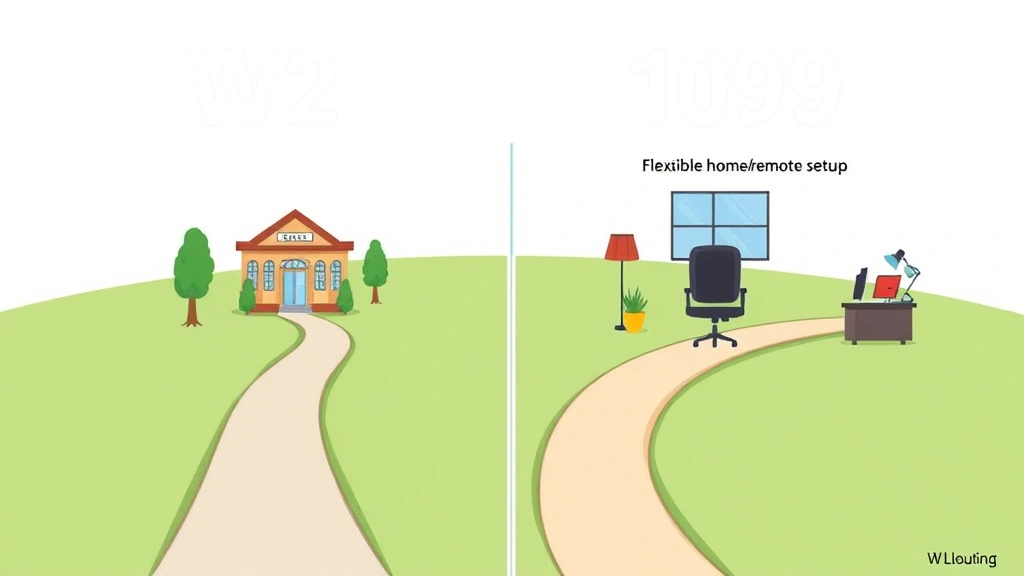
Understanding how 1099 work differs from traditional W-2 employment is crucial for making an informed career decision. The distinctions go far beyond just tax forms and have significant implications for your work life and finances.
Employment Status: W-2 employees are considered regular employees with legal protections and benefits. 1099 contractors are self-employed, operating as independent business entities. This classification affects everything from legal protections to tax responsibilities.
Tax Withholding: Employers automatically withhold taxes from W-2 employee paychecks. As a 1099 contractor, you receive 100% of your payment and must calculate and pay taxes quarterly using estimated tax payments. This requires more financial planning and organization.
Benefits: W-2 employees typically receive health insurance, dental, vision, retirement plans, paid vacation, sick leave, and other benefits. 1099 contractors receive none of these—you must purchase your own health insurance and plan for retirement independently.
Work Control: Employers have significant control over how W-2 employees work: schedules, methods, tools, and location are often dictated. 1099 contractors have much more autonomy. You typically control how you complete the work, though the deliverables and deadlines are specified in your contract.
Legal Protections: W-2 employees have protections under labor laws, including minimum wage requirements, overtime pay, and workplace safety regulations. 1099 contractors have fewer protections and are responsible for negotiating their own terms.
Liability and Insurance: W-2 employees are generally covered under employer liability insurance. 1099 contractors should consider professional liability insurance and are personally responsible for errors or issues in their work.
When exploring high demand jobs 2025, many are available as both W-2 and 1099 positions, giving you options based on your preferences.
Benefits of 1099 Work
Despite the added responsibilities, 1099 positions offer substantial advantages that attract millions of professionals worldwide.
Flexibility and Autonomy: The most significant benefit is freedom. You control your schedule, work location, and how you approach projects. Work from home, a coffee shop, or anywhere with internet. Start early mornings or work late nights—the choice is yours. This flexibility is invaluable for those balancing multiple commitments or preferring non-traditional work arrangements.
Income Potential: 1099 positions often pay more per hour or project than equivalent W-2 roles because companies don’t pay benefits or employer taxes. You can also increase earnings by taking multiple simultaneous projects or increasing your rates as you gain experience and reputation.
Diverse Experience: Working with multiple clients exposes you to different industries, methodologies, and challenges. This breadth of experience accelerates skill development and makes your resume more versatile and attractive to future employers.
Tax Deductions: As a self-employed contractor, you can deduct legitimate business expenses including home office costs, equipment, software subscriptions, professional development, travel, and meals. These deductions significantly reduce your taxable income and tax liability.
Professional Growth: Managing your own business requires developing skills beyond your core expertise: marketing, client relations, financial management, and project planning. These entrepreneurial skills enhance your professional value and career options.
Work-Life Balance: The ability to control your schedule often leads to better work-life balance. You can take time off when needed without requesting approval, attend family events, or pursue personal interests without the constraints of traditional employment.
No Commute Stress: Most 1099 positions are remote or flexible, eliminating daily commutes. This saves time, money, and stress while improving overall quality of life.
Challenges and Responsibilities
While 1099 work offers tremendous benefits, it’s not without challenges. Understanding these upfront helps you prepare adequately.
Income Instability: Unlike W-2 employees with regular paychecks, contractor income fluctuates. Some months you might earn significantly more or less than others. This requires careful budgeting and maintaining financial reserves to cover lean periods.
No Benefits: You must personally fund health insurance, retirement savings, disability insurance, and other protections. These expenses can be substantial and must be factored into your rate calculations to ensure you’re earning adequately.
Self-Employment Taxes: As a contractor, you pay both the employee and employer portions of Social Security and Medicare taxes (approximately 15.3% combined). This is significantly higher than W-2 employees pay and represents a major financial consideration.
Client Acquisition and Management: You’re responsible for finding clients, negotiating terms, managing relationships, and handling invoicing. Poor client management can lead to late payments, scope creep, or project cancellations that disrupt your income.
Isolation and Lack of Community: Working independently means missing the camaraderie, mentorship, and professional community of traditional employment. This can affect motivation, learning opportunities, and mental health.
No Legal Protections: You’re not covered by employment laws protecting W-2 workers. If a client doesn’t pay, you must pursue collection independently. You also have no recourse if unfairly terminated mid-contract.
Professional Development Costs: Companies typically fund employee training and conferences. As a contractor, you must invest your own money in skill development and staying current in your field.
Administrative Burden: Managing invoicing, expense tracking, tax documentation, and business records requires time and organization. Many contractors hire accountants, adding to expenses.
Tax Implications and Deductions
Understanding tax obligations is absolutely critical for 1099 contractors. Poor tax planning can result in significant penalties and financial hardship.
Quarterly Estimated Taxes: You must pay estimated taxes four times yearly (April 15, June 15, September 15, and January 15). These payments cover income tax and self-employment tax. Failing to pay estimated taxes results in penalties and interest.
Self-Employment Tax: You pay self-employment tax on 92.35% of your net earnings. For 2024, the self-employment tax rate is 15.3% (12.4% Social Security, 2.9% Medicare). This is significantly more than W-2 employees pay because you’re covering both portions.
Income Tax Brackets: Your 1099 income is subject to federal income tax at your marginal tax rate, which could be 10%, 12%, 22%, 24%, 32%, 35%, or 37% depending on your total income. State and local income taxes may apply as well.
Deductible Expenses: The good news is that legitimate business expenses reduce your taxable income. Common deductions include:
- Home office expenses (calculated as percentage of home mortgage/rent and utilities)
- Professional equipment and software subscriptions
- Internet and phone bills (business portion)
- Professional development courses and certifications
- Business travel and transportation
- Meals and entertainment (50% deductible)
- Professional services (accounting, legal, consulting)
- Insurance premiums (liability, professional, health)
- Office supplies and equipment
- Marketing and advertising costs
Record Keeping: Maintain detailed records of all income and expenses. The IRS requires documentation supporting all deductions. Use accounting software like QuickBooks, FreshBooks, or Wave to track finances professionally.
Tax Planning: Work with a tax professional experienced with self-employed individuals to optimize deductions, plan quarterly payments, and avoid surprises at tax time. The cost of professional tax preparation is itself deductible.
Proper tax management is essential. Set aside 25-30% of each payment into a dedicated savings account for taxes to avoid cash flow problems when payments are due.
Finding and Landing 1099 Positions
Successfully finding 1099 work requires strategy and persistence. Here are proven methods for landing contracts:
Freelance Platforms: Websites like Upwork, Fiverr, Freelancer, and Toptal connect contractors with clients seeking specific skills. Create a compelling profile highlighting your expertise, past work, and rates. Start with competitive pricing to build reviews, then increase rates as your reputation grows.
LinkedIn Networking: LinkedIn is powerful for contractor opportunities. Optimize your profile for contractor work, join relevant professional groups, and actively network. Many companies post contract positions on LinkedIn or hire through professional connections.
Industry-Specific Platforms: Different fields have specialized platforms. Writers use Mediavine or Contently, designers use 99designs or Dribbble, developers use GitHub or Stack Overflow. Research platforms specific to your industry.
Direct Outreach: Identify companies using skills you possess and contact them directly about contract opportunities. Many companies don’t publicly advertise contractor positions but are open to qualified candidates who approach them.
Networking and Referrals: Build genuine professional relationships. Your network is your most valuable asset for finding quality contracts. Satisfied clients refer new work; colleagues recommend you; professional connections lead to opportunities.
Professional Associations: Join industry associations relevant to your field. These organizations often have job boards, networking events, and resources specifically for members seeking contract work.
Staffing Agencies: Some agencies specialize in contractor placement. They handle client relations and invoicing, taking a percentage but providing stability and consistent work flow.
Content Portfolios: Maintain an updated portfolio showcasing your best work. Whether it’s a personal website, GitHub repository, or portfolio platform, potential clients need to see your capabilities immediately.
When evaluating opportunities, ensure they align with your skills and rate requirements. Don’t undervalue your expertise just to land work—sustainable contractor income requires appropriate compensation.
Common Industries Hiring 1099 Contractors
1099 positions exist across virtually every industry, but some fields rely more heavily on contractor models than others.
Technology and Software Development: Software engineers, web developers, data scientists, and IT consultants are in high demand as contractors. Companies often need specialized skills for specific projects without committing to full-time hires.
Creative Services: Graphic designers, copywriters, video editors, and content creators thrive in contractor roles. The creative industry embraces project-based work and values portfolio-proven talent.
Consulting and Business Services: Management consultants, business analysts, and strategy experts frequently work as contractors. Companies hire expertise for specific initiatives or problems.
Healthcare: Nurses, therapists, and medical specialists work as contractors, particularly in telehealth and specialized care. Explore top jobs in the healthcare industry for more information about healthcare contractor opportunities.
Digital Transformation: As companies modernize, they hire contractors with digital expertise. Check out jobs in digital transformation for emerging opportunities in this rapidly growing field.
Marketing and Advertising: Digital marketers, SEO specialists, content strategists, and social media managers frequently work as contractors for multiple clients simultaneously.
Writing and Editing: Technical writers, copywriters, editors, and journalists work as contractors for publications, agencies, and companies needing content.
Accounting and Finance: Bookkeepers, accountants, and financial analysts work as contractors, often managing multiple clients’ books simultaneously.
Training and Education: Instructional designers, trainers, and online educators work as contractors developing and delivering training programs.
Many of these roles are growing fields. For broader context, explore Job Find Daily Blog for articles on emerging career opportunities and industry trends.

Tips for Success as a 1099 Contractor
Set Clear Rates and Terms: Establish your rates based on experience, expertise, and market research. Put everything in writing: deliverables, timeline, payment terms, revision limits, and termination conditions. Clear contracts prevent misunderstandings and disputes.
Build Financial Reserves: Maintain an emergency fund covering 3-6 months of expenses. Contractor income fluctuates; reserves provide stability during slow periods and prevent desperation that leads to poor decisions.
Manage Taxes Proactively: Set aside 25-30% of income for taxes immediately upon receipt. Calculate quarterly estimated tax payments accurately and pay on time. Working with an accountant is often worth the investment.
Invest in Business Infrastructure: Get professional liability insurance, maintain separate business bank accounts, use accounting software, and establish a home office. These investments protect you and simplify management.
Diversify Your Client Base: Avoid depending on one or two clients for most of your income. If they disappear, you’re in crisis. Multiple smaller clients provide stability.
Maintain Professional Boundaries: Clearly define work hours and availability. Without boundaries, clients may expect constant availability. Set expectations and stick to them to prevent burnout.
Continuously Develop Skills: Invest in professional development. The more valuable your skills, the higher rates you can command. Take courses, attend conferences, and stay current in your field.
Build Strong Client Relationships: Deliver exceptional work, communicate professionally, meet deadlines, and be easy to work with. Satisfied clients become repeat clients and refer new business.
Document Everything: Keep detailed records of contracts, communications, invoices, and payments. This protects you legally and helps with tax documentation.
Address Work Stress Effectively: Contractor isolation and income uncertainty can be stressful. Consider reading about how to deal with job stress to develop coping strategies.
Create a Long-Term Plan: Decide whether contracting is a long-term career or a temporary arrangement. Plan accordingly for retirement, health insurance, and career progression.
Use Contracts Consistently: Never work without a written contract. Templates are available online, and lawyers can draft custom agreements. Contracts protect both you and clients.
FAQ
Do I need to form an LLC or S-Corp as a 1099 contractor?
Not necessarily. Many contractors operate as sole proprietors, which is simpler and requires no special formation. However, forming an LLC or S-Corp can provide liability protection and potential tax benefits. Consult a business accountant or attorney to determine what’s best for your situation. The benefits must outweigh formation and maintenance costs.
Can I be a 1099 contractor and still be an employee elsewhere?
Yes, you can have both 1099 contracts and W-2 employment simultaneously, though your W-2 employer may have restrictions. Check your employment agreement for non-compete or exclusivity clauses. You’ll need to manage taxes for both income sources and file accordingly.
What happens if a 1099 client doesn’t pay me?
You have limited recourse beyond the client relationship. Document all agreements and communications. Send professional payment reminders with clear payment deadlines. Consider small claims court for smaller amounts or hiring a collection agency. To minimize risk, require deposits upfront and milestone payments for large projects.
How much should I charge as a 1099 contractor?
Research industry rates for your skill level and location. Generally, contractors charge 25-50% more than equivalent W-2 employees because they provide no benefits and have income uncertainty. Consider your experience, expertise, market demand, and cost of living. Start with market rates and adjust based on results and client feedback.
Do 1099 contractors get unemployment benefits?
Generally no. Unemployment insurance typically covers only W-2 employees. Some states have experimented with contractor unemployment programs, but coverage is limited. This is another reason to maintain financial reserves as a contractor.
How do I handle health insurance as a 1099 contractor?
You must purchase your own health insurance. Options include ACA (Affordable Care Act) marketplace plans, professional association plans, or private insurance. Self-employed health insurance premiums are deductible, reducing your taxable income. Budget for this significant expense when calculating your rates.
Can I deduct my home office as a 1099 contractor?
Yes. You can use the simplified method (multiply square footage by $5 per square foot, maximum 300 sq ft) or actual expense method (calculate percentage of home costs proportional to office space). Keep detailed records of all home office expenses. Consult a tax professional to ensure proper deduction.
What’s the difference between a 1099 contractor and an independent contractor?
These terms are essentially synonymous. Both refer to self-employed individuals working on contract basis rather than as employees. The “1099” specifically references the IRS form for reporting non-employee compensation, but all independent contractors receive 1099 forms if they earn $600+ annually from a client.
Is 1099 work right for me?
1099 work suits people who value flexibility, autonomy, and diverse experiences over stability and benefits. You need discipline for financial management, comfort with income variability, and strong self-motivation. If you prefer structure, predictable income, and comprehensive benefits, traditional W-2 employment may be better. Honestly assess your preferences and financial situation before committing to contracting.


