

The gig economy has transformed how professionals work, and 1099 jobs represent one of the most flexible employment arrangements available today. Whether you’re looking to escape the traditional 9-to-5 grind, supplement your income, or build a freelance career, understanding 1099 employment is essential. A 1099 job is independent contractor work where you’re responsible for your own taxes, benefits, and business operations—but you gain unprecedented freedom and control over your schedule and workload.
This comprehensive guide walks you through everything you need to know about 1099 jobs, from understanding tax implications to finding legitimate opportunities and managing your freelance business successfully. Whether you’re exploring entry-level positions without experience or seeking high-paying opportunities without formal credentials, 1099 arrangements offer viable pathways to success.
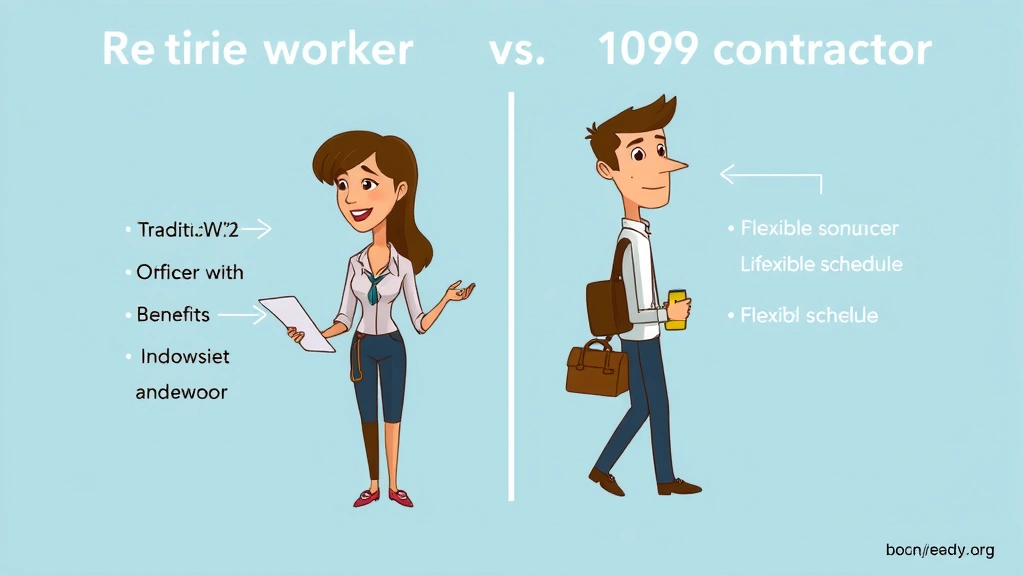
What Is a 1099 Job?
A 1099 job refers to independent contractor work named after the IRS Form 1099-NEC (Nonemployee Compensation), which companies file when paying contractors. Unlike traditional W-2 employees, 1099 contractors are self-employed individuals who provide services to clients without being on their payroll. This arrangement offers maximum flexibility—you choose your hours, work location, and often your projects.
The defining characteristic of 1099 work is that you’re in business for yourself. You’re not an employee of the company; instead, you’re a vendor providing specific services. This distinction matters significantly for taxes, benefits, liability, and job security. Many professionals thrive in this model because it allows them to diversify their client base, set their own rates, and maintain complete control over their work environment.
Common 1099 positions include freelance writing, graphic design, software development, consulting, virtual assistance, social media management, and project-based work across nearly every industry. The beauty of 1099 employment is its versatility—whether you want to work part-time while pursuing other interests or build a full-time freelance empire, this employment structure accommodates your goals.

Key Differences Between 1099 and W-2 Employment
Understanding how 1099 work differs from traditional W-2 employment is crucial for making informed career decisions. These distinctions affect your income, taxes, benefits, and overall financial security.
- Tax Responsibility: W-2 employees have taxes withheld automatically by employers. 1099 contractors must calculate and pay their own federal income tax, self-employment tax (covering Social Security and Medicare), and state taxes. This requires quarterly estimated tax payments and careful record-keeping.
- Benefits: W-2 positions typically include health insurance, retirement plans, paid time off, and workers’ compensation. 1099 contractors receive no benefits and must purchase their own health insurance, establish retirement accounts, and cover any disability or accident protection.
- Work Control: Employers control W-2 employees’ schedules, methods, and work locations. 1099 contractors determine their own schedules and work processes, though clients specify desired outcomes and deadlines.
- Expenses: W-2 employees rarely deduct work expenses. 1099 contractors can deduct legitimate business expenses—office supplies, equipment, software, home office space, professional development—reducing taxable income.
- Legal Status: W-2 employees are protected by employment laws including minimum wage, overtime, and discrimination protections. 1099 contractors have fewer legal protections and must negotiate their own terms.
- Job Security: W-2 positions offer more stability; employers typically provide notice before termination. 1099 contracts can end abruptly without severance, making income less predictable.
For those exploring different employment paths, consider how local job opportunities compare to remote 1099 positions in your market.
Types of 1099 Jobs Available
The 1099 job market spans virtually every industry and skill level. Here are popular categories where independent contractors thrive:
- Creative Services: Graphic designers, illustrators, video editors, photographers, and content creators work on project bases, building portfolios while earning flexible income.
- Writing and Editing: Freelance writers, copywriters, technical writers, and editors find abundant opportunities on platforms and through direct client relationships.
- Technology: Software developers, web designers, app developers, and IT consultants command premium rates due to high demand and specialized skills.
- Business Services: Accountants, bookkeepers, business consultants, and HR specialists serve small businesses and entrepreneurs needing expert guidance without full-time commitment.
- Marketing and Social Media: Social media managers, digital marketers, SEO specialists, and email marketing experts help businesses build their online presence.
- Virtual Assistance: Administrative support, scheduling, email management, and data entry services suit those organized and detail-oriented.
- Education and Training: Online tutors, course creators, and instructors teach everything from languages to professional skills.
- Customer Service: Remote customer support, chat support, and technical support roles offer flexibility for those with strong communication skills.
- Translation Services: Multilingual professionals translate documents, websites, and media content for global clients.
- Trades and Specialized Work: Contractors, electricians, plumbers, and handypeople work as independent operators in their local markets.
The diversity of 1099 opportunities means almost anyone can find work matching their skills and lifestyle preferences. Whether you’re seeking supplemental income or building a full-time career, these options accommodate various experience levels and backgrounds.
Understanding Your Tax Obligations
Tax management is the most critical aspect of 1099 work. Misunderstanding or neglecting tax obligations can result in penalties, interest, and audits. Here’s what you need to know:
Self-Employment Tax: You pay approximately 15.3% in self-employment tax (12.4% for Social Security, 2.9% for Medicare), compared to the 7.65% W-2 employees pay (with employers covering the other half). This is a significant expense requiring careful budgeting.
Quarterly Estimated Taxes: You must file and pay estimated taxes quarterly (January 15, April 15, June 15, and September 15). These payments cover federal income tax and self-employment tax based on projected annual income. Failing to make these payments results in penalties.
Record Keeping: Maintain detailed records of all income and business expenses. Track invoices, client payments, receipts, mileage, and supplies. This documentation proves essential during audits and ensures accurate tax filing.
Deductible Expenses: Common deductions include home office space (calculated using square footage method or simplified method at $5 per square foot), equipment and supplies, software subscriptions, internet and phone bills, professional development, marketing expenses, insurance, and vehicle expenses. Keep receipts for everything.
State and Local Taxes: Depending on your state and where clients are located, you may owe state income tax, local taxes, and sales tax on services. Research your specific obligations.
Quarterly Bookkeeping: Review income and expenses quarterly to track tax liability and adjust estimated payments. This prevents year-end surprises and helps with financial planning. Consider using accounting software like QuickBooks or FreshBooks to automate tracking.
Many 1099 contractors hire accountants or tax professionals to handle their taxes, which is often worthwhile given the complexity. The IRS provides comprehensive guidance on self-employed tax obligations.
Finding Legitimate 1099 Opportunities
Finding quality 1099 jobs requires knowing where to look and how to evaluate opportunities. Here are proven strategies:
Freelance Platforms: Websites like Upwork, Fiverr, Freelancer, and PeoplePerHour connect contractors with clients globally. These platforms handle payments, provide dispute resolution, and offer job listings. Start with smaller projects to build reviews and ratings.
Job Boards: Traditional job sites like Indeed, FlexJobs, and LinkedIn increasingly list contractor positions. Filter by “contractor” or “1099” to find relevant opportunities. Set up job alerts to stay informed about new postings matching your criteria.
Direct Outreach: Contact companies in your target industry about freelance opportunities. Many businesses need contractors but don’t advertise widely. Personalized emails to hiring managers or project leads often yield opportunities.
Networking: Attend industry events, join professional groups, and connect with peers in your field. Many lucrative contracts come through personal relationships and referrals. Active networking often leads to steady, well-paying clients.
Industry-Specific Sites: Many fields have specialized job boards. Writers use Mediavine and ProBlogger; designers use 99designs and Design Crowd; developers use Stack Overflow Jobs and GitHub Jobs.
Temp Agencies: Some agencies specialize in placing independent contractors. They handle administrative work and payment processing in exchange for a percentage.
Client Testimonials: When evaluating opportunities, check client reviews and ratings. Avoid clients with numerous complaints or low ratings. Your reputation depends on working with legitimate, professional clients.
Setting Up Your Freelance Business
Transitioning to 1099 work requires establishing a professional business foundation. Follow these essential steps:
Choose a Business Structure: Decide whether to operate as a sole proprietor (simplest option), form an LLC (provides liability protection), or establish an S-Corp (tax advantages for higher earners). Consult a business attorney about the best structure for your situation.
Get an EIN: Apply for an Employer Identification Number from the IRS, even if you’re a sole proprietor. This separates personal and business finances and is required for hiring contractors or employees later.
Open a Business Bank Account: Separate business and personal finances by opening a dedicated business account. This simplifies bookkeeping, demonstrates professionalism to clients, and provides clear financial records for taxes.
Create a Professional Brand: Develop a business name, logo, and website showcasing your services, rates, and portfolio. Professional branding establishes credibility and attracts quality clients. Your online presence is your storefront.
Set Your Rates: Research market rates for your services in your region and experience level. Don’t undercharge—this attracts low-quality clients and undervalues your work. Consider charging hourly, per-project, or retainer rates depending on your service type.
Develop Contracts: Use written agreements with clients specifying scope of work, payment terms, deadlines, revision policies, and intellectual property rights. Templates are available online, but consulting a lawyer ensures your interests are protected.
Establish Payment Systems: Set up invoicing and payment collection systems. Use platforms like PayPal, Stripe, or Square to accept payments. Specify payment terms (net 15, net 30, etc.) and payment methods upfront.
Managing Income and Finances
Financial management separates successful 1099 contractors from those who struggle. Implement these practices:
Build an Emergency Fund: Since 1099 income fluctuates, maintain 6-12 months of expenses in savings. This buffer covers slow periods, unexpected expenses, or client loss without financial stress.
Track Income Consistently: Record every payment immediately. Use spreadsheets or accounting software to monitor cash flow. Understanding income patterns helps with financial planning and tax estimates.
Set Aside Taxes: Calculate your estimated tax liability and set aside this amount monthly or quarterly. Many contractors open a separate savings account specifically for taxes, removing the temptation to spend these funds.
Invoice Promptly: Send invoices immediately upon completing work. Follow up on unpaid invoices within 15-30 days. Late payments disrupt cash flow and damage financial planning.
Diversify Clients: Avoid depending on one or two clients for most income. If a major client ends the relationship, you maintain income from others. Aim for multiple revenue streams.
Plan for Retirement: 1099 contractors must establish their own retirement savings. Options include SEP-IRAs, Solo 401(k)s, and SIMPLE IRAs. These accounts offer tax advantages and long-term financial security.
Monitor Expenses: Track business expenses meticulously. Legitimate deductions significantly reduce tax liability, but only with proper documentation. Review expenses quarterly to identify savings opportunities.
Insurance and Legal Protection
Protecting yourself legally and financially is crucial when operating as an independent contractor:
Liability Insurance: Professional liability insurance (also called errors and omissions insurance) protects you if clients claim your work caused damages. This is essential for consultants, designers, developers, and other service providers.
Health Insurance: As a 1099 contractor, you must purchase individual health insurance. Explore options through healthcare.gov, professional associations, or your spouse’s employer plan. Consider plans with high deductibles and Health Savings Accounts to minimize costs.
Disability Insurance: If you become unable to work due to illness or injury, disability insurance replaces lost income. This protection is vital when you have no employer-provided coverage.
Business Contracts: Use detailed contracts with every client specifying deliverables, payment terms, intellectual property rights, and dispute resolution. Well-drafted contracts prevent misunderstandings and protect your interests.
Legal Entity Formation: Forming an LLC or S-Corp provides liability protection, separating personal assets from business liability. Consult a business attorney about whether this makes sense for your situation.
Dispute Resolution: Include dispute resolution clauses in contracts specifying arbitration or mediation before litigation. This saves time and legal costs if disagreements arise.
Understanding your legal obligations helps you avoid costly mistakes. Consider consulting with a business attorney familiar with independent contractor arrangements in your industry.
FAQ
What’s the difference between 1099 and W-2 work?
1099 contractors are self-employed and responsible for their own taxes, benefits, and business operations. W-2 employees work for companies that withhold taxes, provide benefits, and handle payroll. 1099 work offers more flexibility but less security and no employer benefits.
Do I need a business license for 1099 work?
Requirements vary by location and industry. Many states and municipalities require business licenses for self-employed individuals. Check with your local business licensing office and state regulations. Some professions (accounting, law, etc.) require specific credentials.
How much should I charge as a 1099 contractor?
Research market rates for your services, experience level, and geographic location. Generally, contractors charge 25-50% more than equivalent W-2 salaries to cover taxes, benefits, and business expenses. Use rate calculators and industry surveys to determine competitive pricing.
Can I deduct my home office?
Yes. Use either the simplified method ($5 per square foot, up to 300 square feet) or the regular method (calculate actual expenses including rent, utilities, insurance proportional to office space). Keep documentation supporting your calculations.
What if a client doesn’t pay me?
Send payment reminders at 15 and 30 days past due. If unpaid, send a formal demand letter. Small claims court is an option for amounts within court limits. Consider using escrow services for large projects or requiring upfront deposits from new clients.
How do I find reliable clients?
Use established platforms with review systems, check client ratings and reviews, request references, and start with smaller projects to evaluate reliability. Avoid clients with numerous complaints, unrealistic expectations, or unwillingness to use written agreements.
Should I form an LLC or S-Corp?
This depends on your income level, business structure, and liability concerns. Sole proprietorships are simplest; LLCs provide liability protection; S-Corps offer tax advantages for higher earners. Consult a tax professional to determine the best structure for your situation.
What if I want to negotiate better terms with a client?
Research negotiation strategies for job offers and apply similar principles to contract terms. Be professional, reference market rates, and focus on mutual benefits. Many clients expect negotiation and respect professionals who advocate for themselves.
Can I have multiple 1099 clients simultaneously?
Absolutely. One advantage of 1099 work is the ability to diversify clients. However, ensure no contracts prohibit working with competitors and manage your time effectively across multiple projects.
How should I prepare for tax season?
Maintain organized records throughout the year, track all income and expenses, calculate estimated tax liability quarterly, set aside money for taxes, and consult with a tax professional before filing. Starting early prevents last-minute stress and ensures accuracy.