
1099 Jobs Explained: Tax Expert Insights
A 1099 job represents a fundamentally different employment arrangement compared to traditional W-2 positions. Named after the IRS Form 1099-NEC (Miscellaneous Income), these roles classify workers as independent contractors rather than employees. Understanding the nuances of 1099 employment is crucial for anyone considering this career path, as it impacts your taxes, benefits, legal protections, and overall financial stability.
The 1099 landscape has expanded dramatically in recent years, driven by the gig economy and remote work revolution. From freelance writers and graphic designers to consultants and specialized contractors, millions of professionals now work under 1099 arrangements. However, many workers enter these positions without fully grasping the tax implications, financial responsibilities, and operational differences that distinguish them from traditional employment.

What Is a 1099 Job?
A 1099 job is an independent contractor position where you work for a company or multiple clients without being classified as an employee. The company issues you a Form 1099-NEC at the end of the year if you earned $600 or more, documenting the income paid to you. Unlike employees, 1099 contractors don’t receive a W-2 form, payroll deductions, or employer-sponsored benefits.
The relationship between contractor and company is typically defined by a contract outlining scope, payment terms, and deliverables. You maintain significant control over how you complete your work, when you work, and often where you work. This autonomy appeals to many professionals seeking flexibility, but it comes with substantial financial and administrative responsibilities.
Common characteristics of 1099 arrangements include irregular payment schedules, no paid time off, no health insurance through the employer, and no unemployment insurance eligibility. You’re essentially running your own business, even if you only work for one client. This distinction carries major implications for your financial planning and tax strategy.
Explore specific opportunities like 1099 job opportunities in specialized fields to understand real-world positions. Additionally, alternative 1099 arrangements demonstrate the diversity of contract work available across industries. You might also review emerging 1099 roles to identify growing sectors.
Key Differences Between 1099 and W-2 Employment
Understanding the distinctions between 1099 and W-2 employment is essential for making informed career decisions. These differences span taxation, benefits, legal status, and day-to-day working conditions.
- Tax Responsibility: W-2 employees have taxes withheld by employers; 1099 contractors must calculate and pay taxes independently, including quarterly estimated tax payments.
- Benefits: W-2 employees typically receive health insurance, retirement plans, and paid leave. 1099 contractors receive none of these unless they arrange and pay for them personally.
- Legal Classification: W-2 employees enjoy labor law protections, workers’ compensation, and unemployment insurance. 1099 contractors lack most of these protections.
- Work Control: Employers exercise significant control over W-2 employees’ schedules and methods. 1099 contractors maintain autonomy over how, when, and where they work.
- Equipment and Expenses: Employers typically provide equipment for W-2 employees. 1099 contractors usually purchase their own tools and supplies.
- Income Stability: W-2 employees receive consistent paychecks. 1099 contractors experience variable income based on project availability and client demand.
The IRS uses specific criteria to determine worker classification, including behavioral control, financial control, and relationship type. Misclassification—when companies improperly label employees as contractors—remains a significant issue, exposing workers to financial risk and limiting their access to legal protections.
Tax Obligations for 1099 Contractors
1099 contractors face unique and complex tax obligations that differ substantially from W-2 employee responsibilities. Failure to understand and manage these obligations can result in penalties, interest charges, and audit complications.
Income Reporting: You must report all 1099 income on your tax return, even if you don’t receive a Form 1099-NEC (which only covers income over $600). Keep detailed records of all payments received, including amounts and dates.
Quarterly Estimated Taxes: Unlike W-2 employees who have taxes withheld throughout the year, 1099 contractors must pay estimated quarterly taxes. These payments typically occur on April 15, June 15, September 15, and January 15. Failing to pay quarterly taxes can result in underpayment penalties.
Deductible Business Expenses: One advantage of 1099 work is the ability to deduct legitimate business expenses, reducing your taxable income. This includes home office expenses, equipment, software, professional development, and supplies directly related to your work.
Self-Employment Tax: 1099 contractors pay both employer and employee portions of Social Security and Medicare taxes, totaling 15.3% of net self-employment income. W-2 employees only pay half this amount, with employers covering the rest.
According to the IRS official website, maintaining detailed records and understanding tax deadlines is critical for contractors. Many 1099 workers benefit from consulting NFIB resources for small business owners, which provide guidance on contractor tax issues.
Self-Employment Tax Considerations
Self-employment tax represents one of the most significant financial obligations for 1099 contractors. This tax funds Social Security and Medicare for self-employed individuals and typically exceeds the combined employee-employer FICA taxes paid by traditional employees.
The self-employment tax calculation begins with your net profit (total income minus deductible business expenses). You multiply this by 92.35% and then apply the 15.3% self-employment tax rate. For 2024, if your net self-employment income exceeds $168,600, you only pay the 2.9% Medicare portion on income above that threshold (the additional 0.9% Medicare tax applies to higher earners).
Planning for self-employment tax requires setting aside money throughout the year. Many financial advisors recommend saving 25-30% of gross income to cover federal income tax, state income tax (if applicable), and self-employment tax. This ensures you’ll have funds available when quarterly payments or annual filing deadlines arrive.
You can deduct half your self-employment tax from your adjusted gross income, providing some tax relief. Additionally, establishing a Solo 401(k) or SEP-IRA allows you to make tax-deductible retirement contributions, reducing your taxable income while building retirement savings.
Managing job stress becomes even more important when handling complex tax obligations alongside your regular work responsibilities. Consider working with a tax professional experienced in contractor taxation to optimize your strategy.
Managing Finances as a 1099 Worker
Financial management becomes significantly more complex when you transition to 1099 work. Without employer-provided benefits and predictable paychecks, you must develop robust financial systems and planning strategies.
Separate Business Banking: Open a dedicated business bank account to keep personal and business finances separate. This simplifies bookkeeping, makes tax filing easier, and provides clear documentation for deductions and income.
Invoice and Payment Tracking: Create a system for invoicing clients and tracking payments. Use accounting software like QuickBooks, FreshBooks, or Wave to automate invoice generation and payment reminders. Document all income sources for tax reporting purposes.
Expense Documentation: Maintain meticulous records of all business expenses. Keep receipts, invoices, and documentation for at least three years (or longer for high-value assets). Categories typically include office supplies, equipment, software subscriptions, professional development, and home office expenses.
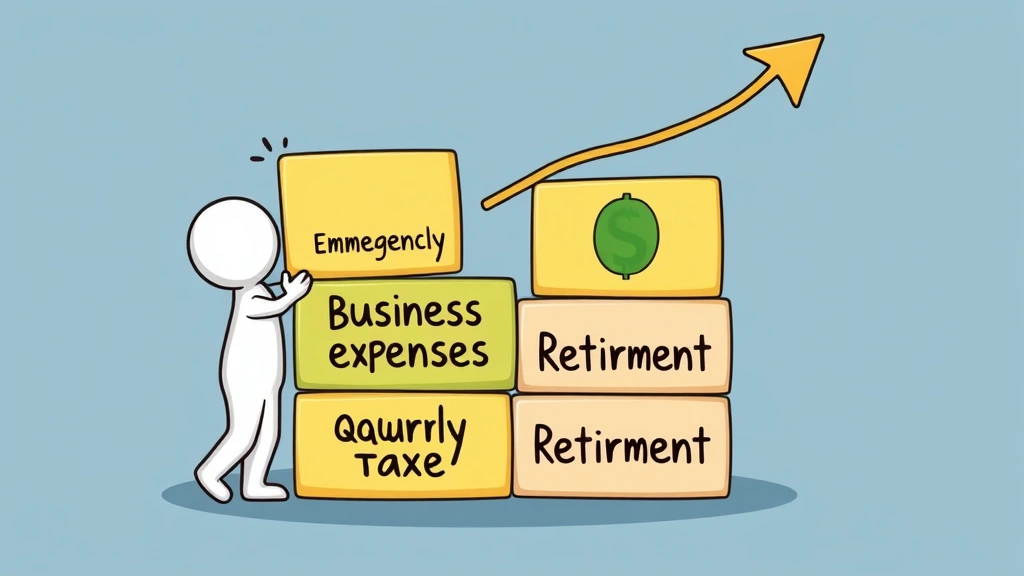
Emergency Fund: Build an emergency fund covering 6-12 months of expenses. Income variability means you may experience slow periods when client work diminishes. An adequate emergency fund prevents you from going into debt during these gaps.
Health Insurance: Research individual health insurance options or professional association plans. The Affordable Care Act marketplace offers plans, and you can deduct health insurance premiums from your self-employment income, providing tax relief.
Retirement Planning: Without employer-sponsored retirement plans, establish your own. Solo 401(k)s and SEP-IRAs allow you to contribute significantly more than traditional IRAs, with contributions reducing your taxable income.
Common 1099 Job Categories
1099 arrangements span virtually every industry and profession. Understanding common categories helps you identify opportunities and anticipate industry-specific considerations.
Freelance Creative Services: Writers, designers, photographers, and videographers frequently work as 1099 contractors. These roles offer flexibility and often allow working with multiple clients simultaneously. Income depends heavily on portfolio quality and client acquisition skills.
Consulting and Professional Services: Consultants in management, IT, human resources, and specialized fields often operate as independent contractors. These positions typically command higher rates but require established expertise and professional networks.
Technology and Development: Software developers, web developers, UX/UI designers, and IT specialists frequently work on 1099 contracts. The tech industry embraces contractor relationships, particularly for specialized projects or temporary needs.
Healthcare Services: Nurses, therapists, and medical professionals increasingly work as contractors. If you’re exploring top jobs in the healthcare industry, many involve 1099 arrangements, particularly in specialized or rural areas.
Event Planning and Coordination: Event planners, coordinators, and related professionals frequently operate as independent contractors. For more information on this field, explore comprehensive event planner career opportunities.
Sales and Business Development: Sales representatives, particularly in real estate and insurance, often work on commission as 1099 contractors. Income directly correlates with sales performance.
Legal Rights and Protections
1099 contractors have fewer legal protections than W-2 employees, creating potential vulnerability in certain situations. Understanding your rights helps you navigate this employment arrangement more confidently.
Misclassification Issues: If you believe you’re misclassified as a contractor when you should be an employee, you have legal recourse. The IRS provides resources for reporting misclassification, and you may be entitled to back taxes and penalties paid by the employer.
Contractual Agreements: Always insist on written contracts clearly defining scope, payment terms, timeline, and deliverables. Verbal agreements create ambiguity and make dispute resolution difficult. Have an attorney review significant contracts before signing.
Payment Protection: Include payment terms in your contract specifying due dates, late payment penalties, and dispute resolution procedures. Some states have prompt payment laws protecting contractors; research your state’s requirements.
Non-Compete and Confidentiality: Carefully review any non-compete or confidentiality clauses. These agreements can restrict your ability to work with competitors or take future opportunities. Negotiate terms that don’t unreasonably limit your career options.
Intellectual Property Rights: Clarify who owns work you create. Some contracts automatically assign all intellectual property to the client; others allow you to retain rights or license work to multiple clients. Understand these implications before signing.
Unemployment and Workers’ Compensation: 1099 contractors don’t qualify for unemployment insurance or workers’ compensation in most states. If you’re injured or lose a client, you have no safety net. Consider disability insurance and liability insurance appropriate to your field.
Consulting resources like SCORE mentoring for small business owners can provide guidance on legal and business matters. Additionally, the Small Business Administration offers resources for independent contractors and self-employed individuals.
FAQ
What’s the difference between a 1099 and a W-2 job?
1099 jobs classify you as an independent contractor, while W-2 jobs classify you as an employee. Key differences include tax responsibilities (you handle all taxes as a 1099 contractor), benefits (1099 contractors receive none from employers), and work control (contractors have more autonomy). W-2 employees enjoy legal protections and employer-provided benefits that 1099 contractors don’t receive.
Do I need to pay quarterly taxes as a 1099 contractor?
Yes, in most cases. If you expect to owe $1,000 or more in federal income tax for the year, the IRS requires quarterly estimated tax payments. These are typically due April 15, June 15, September 15, and January 15. Failing to pay quarterly taxes can result in penalties and interest charges.
What business expenses can I deduct as a 1099 contractor?
You can deduct legitimate business expenses including office supplies, equipment, software subscriptions, professional development, home office expenses, internet and phone bills (if used for business), travel related to client work, and contractor fees. Keep detailed receipts and documentation. The IRS allows home office deductions using either the simplified method ($5 per square foot) or actual expense method.
How much should I save for taxes as a 1099 contractor?
Most financial advisors recommend saving 25-30% of gross income for taxes. This covers federal income tax, state income tax (if applicable), and self-employment tax. The exact percentage depends on your income level, deductions, and state tax requirements. Consider working with a tax professional to calculate your specific needs.
What happens if I don’t receive a 1099 form?
You must still report all income you received, even without a 1099 form. The IRS requires reporting income over $600, but you’re legally obligated to report all income regardless of amount. If a client doesn’t issue a 1099 when required, you can report them to the IRS. Keep your own records of all payments received.
Can I get unemployment benefits as a 1099 contractor?
In most cases, no. 1099 contractors don’t qualify for unemployment insurance because they’re classified as self-employed rather than employees. However, some states have experimented with gig worker protections. Check your state’s specific regulations. This is another reason to maintain an emergency fund as a 1099 contractor.
Should I incorporate as an S-Corp or LLC?
Business structure depends on your income level, state requirements, and specific circumstances. S-Corps and LLCs can provide tax benefits and liability protection for some contractors, but they involve additional complexity and costs. Consult a tax professional or business attorney to determine the optimal structure for your situation.
What legal protections do 1099 contractors have?
1099 contractors have fewer protections than employees but aren’t without rights. You’re protected by contract law, can report misclassification to the IRS, and may be covered by prompt payment laws (depending on your state and industry). You’re not covered by employment laws protecting against discrimination or harassment in the same way employees are. Always use written contracts and consider legal review for significant agreements.


