
1099 Job Pros? Expert Freelancer Insights
The gig economy has transformed how millions of professionals work, and 1099 jobs sit at the heart of this revolution. Named after the tax form issued to independent contractors, these positions offer unprecedented flexibility and autonomy—but they come with distinct challenges that traditional employment doesn’t present. Whether you’re considering transitioning to freelance work or already navigating the 1099 landscape, understanding the real advantages and disadvantages is essential for making informed career decisions.
This comprehensive guide draws on insights from experienced freelancers, industry experts, and career professionals to reveal what it truly means to work as a 1099 contractor. We’ll explore the financial realities, lifestyle benefits, tax obligations, and strategic approaches that separate successful independent contractors from those who struggle. By the end, you’ll have a clear picture of whether 1099 work aligns with your professional goals and personal circumstances.
What Is a 1099 Job?
A 1099 job represents a contractual relationship where you work as an independent contractor rather than an employee. The IRS Form 1099-NEC (or 1099-MISC for some situations) documents non-employee compensation, making it the defining characteristic of this work arrangement. Unlike W-2 employees who receive regular paychecks with taxes withheld, 1099 contractors invoice for their services and manage their own tax obligations.
The fundamental distinction lies in control and classification. When you accept a 1099 position, you typically have autonomy over how you complete work, though the client specifies what needs to be delivered. This classification has profound implications for benefits, taxes, and workplace protections. Understanding this distinction is crucial before exploring whether 1099 job opportunities suit your career trajectory.
The 1099 model encompasses diverse arrangements—from short-term project work to long-term exclusive contracts. Some contractors work simultaneously for multiple clients, while others maintain single-client relationships that closely resemble traditional employment, except for the tax and benefits structure.
The Pros of 1099 Work
Flexibility and Autonomy
The most celebrated advantage of 1099 work is flexibility. You determine your schedule, work location, and often the methodology for completing projects. Early morning person? Work from 5 AM to 1 PM. Night owl? Start at noon. Need to handle a personal appointment? Adjust your hours accordingly. This flexibility extends to location—work from home, coffee shops, co-working spaces, or anywhere with internet connectivity.
Beyond scheduling, you maintain control over which projects to accept, which clients to work with, and when to scale your workload up or down. This autonomy creates a sense of ownership absent in many traditional roles, leading to higher job satisfaction for many contractors.
Earning Potential
1099 contractors often earn more per hour than their W-2 counterparts in similar roles. Without employer overhead costs, clients can allocate larger budgets directly to contractor compensation. Experienced professionals report earning 20-40% more as contractors compared to equivalent employee positions. Additionally, you can negotiate job offers more flexibly as a contractor, adjusting rates based on project complexity, timeline, and your expertise level.
Your earning potential scales directly with your ability to secure clients and deliver quality work. Unlike salary caps in traditional employment, there’s no ceiling on what you can earn—only your capacity and market demand limitations.
Tax Deductions and Business Expenses
Operating as an independent contractor unlocks numerous tax deductions unavailable to W-2 employees. Home office expenses, equipment, software subscriptions, professional development, internet service, phone bills, travel, and meals related to business can all reduce your taxable income. Many contractors discover that strategic deduction management significantly reduces their actual tax liability despite higher gross income.
This requires meticulous record-keeping and potentially working with a tax professional, but the financial benefits often justify the administrative effort. Consulting with a tax professional specializing in self-employment ensures you maximize legitimate deductions.
Career Control and Skill Development
As your own boss, you curate your professional development. Choose projects that align with your interests, develop new skills strategically, and build a portfolio reflecting your best work. This autonomy over career direction often leads to greater fulfillment and faster skill advancement compared to traditional employment paths constrained by organizational structures.
Multiple Income Streams
1099 work enables simultaneous client relationships, creating diversified income streams. Rather than depending on a single employer, you spread risk across multiple revenue sources. This diversification provides security—losing one client impacts your income less severely than losing a traditional job.

The Cons of 1099 Work
No Employee Benefits
The most significant disadvantage is the absence of employer-provided benefits. Health insurance, dental, vision, retirement contributions, paid time off, and workers’ compensation all become your responsibility. These costs add up substantially—health insurance alone can consume 15-20% of your gross income. Unlike W-2 employees where employers contribute to Social Security and Medicare taxes, contractors pay the full self-employment tax (approximately 15.3%), increasing your tax burden.
Income Instability
While earning potential is higher, income unpredictability presents challenges. Projects end, clients disappear, and workload fluctuates seasonally. Without guaranteed paychecks, budgeting becomes complex. You might earn $10,000 one month and $3,000 the next. This volatility demands financial discipline and substantial savings reserves—most experts recommend 6-12 months of expenses in emergency funds.
Constant Client Acquisition
You’re perpetually in sales mode. Beyond delivering work, you must consistently market yourself, network, pitch proposals, and negotiate contracts. Many contractors report spending 20-30% of their time on business development rather than billable work. This administrative overhead reduces actual earning time and requires entrepreneurial skills beyond your core expertise.
Administrative and Legal Responsibilities
Contractors manage their own bookkeeping, invoicing, contract negotiations, and legal compliance. Quarterly estimated tax payments, self-employment tax calculations, and business registration requirements demand attention. Mistakes can result in penalties, and disputes with clients lack the employment protections offered to W-2 workers.
Lack of Legal Protections
Employment law protections—overtime requirements, minimum wage guarantees, workplace safety regulations, unemployment insurance eligibility, and discrimination protections—don’t apply to independent contractors in most jurisdictions. You’re responsible for your own legal protection through contracts and insurance.
Isolation and Reduced Collaboration
Working independently can feel isolating. You miss workplace camaraderie, mentorship from colleagues, and collaborative team environments. Some contractors struggle with motivation and professional growth absent these connections. Building intentional community through networking, co-working spaces, or professional groups becomes necessary for combating isolation.
Financial Planning for Contractors
Creating a Sustainable Income Model
Successful 1099 professionals treat their work like a business, not a side gig. Establish baseline monthly income requirements and work backward to determine necessary billable hours and rates. Build a client pipeline with varying project sizes—some large contracts providing stability, others smaller projects offering flexibility.
Create separate business and personal bank accounts. Maintain meticulous records of all income and expenses. Most contractors allocate 25-35% of gross income for taxes (federal, state, and self-employment), though actual liability varies based on deductions and location. Setting aside this amount in a dedicated savings account prevents the shock of tax bills.
Pricing Your Services
Determine rates by analyzing market rates for your expertise, considering your experience level, project complexity, and geographic market. Many contractors use hourly rates, project-based pricing, or retainer models. Research comparable rates using platforms like Upwork, industry surveys, and peer discussions. Remember that contractor rates should be 25-40% higher than equivalent employee salaries to account for benefits, taxes, and administrative costs you now cover.
Managing Irregular Income
Combat income volatility through multiple strategies: maintain 6-12 months of expenses in emergency savings, establish retainer clients providing baseline monthly income, diversify across industries and client types, and build during high-income months for slower periods. Some contractors charge monthly retainers combining guaranteed income with project work, creating predictability.
Building a Sustainable Freelance Career
Establishing Systems and Processes
Professionalism separates thriving contractors from struggling ones. Develop systems for project management, invoicing, time tracking, and client communication. Use tools like FreshBooks for accounting, Asana or Monday.com for project management, and Calendly for scheduling. These systems reduce administrative burden and present a professional image attracting quality clients.
Building Strong Client Relationships
Your reputation is your most valuable asset. Deliver consistently excellent work, communicate proactively, meet deadlines, and exceed expectations. Request testimonials and case studies from satisfied clients. Strong relationships lead to repeat business, referrals, and higher rates. Many successful contractors generate 70-80% of new work through existing client referrals rather than constant prospecting.
Continuous Learning and Skill Development
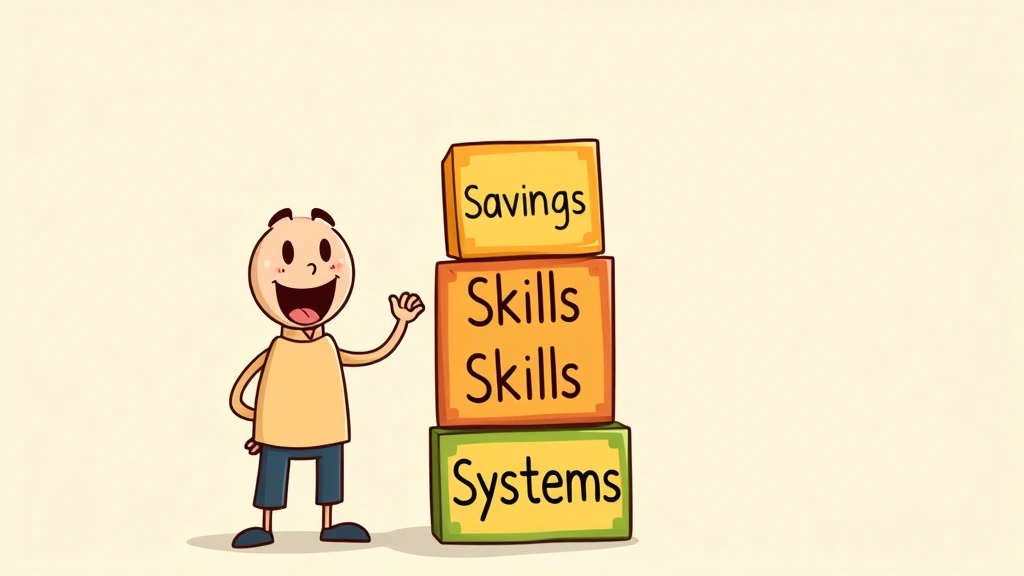
The freelance landscape evolves rapidly. Invest in ongoing education, certifications, and skill development. Allocate time and budget specifically for professional growth. This investment keeps your services competitive and justifies premium rates. Consider developing foundational skills if you’re new to your field, or advancing expertise if established.
Creating a Professional Brand
Develop a professional website showcasing your portfolio, testimonials, and services. Maintain active presence on relevant platforms—LinkedIn for B2B work, Instagram for creative services, or industry-specific platforms. Your online presence attracts inbound opportunities, reducing dependence on constant outreach.
Types of 1099 Jobs Available
The 1099 landscape spans virtually every profession. Creative fields—writing, design, photography, video production—naturally align with contract work. Technology offers abundant opportunities: software development, web design, app development, and IT consulting. Professional services including consulting, accounting, legal work, and HR support operate extensively on 1099 bases.
Marketing and sales roles frequently use contractor models, as do trades like electricians, plumbers, and contractors. Teaching and tutoring often operate on 1099 arrangements, as does coaching across various specialties. Even jobs near you now hiring increasingly include contract positions. The key is identifying roles matching your skills and matching them with industries embracing contractor relationships.
Transitioning to 1099 Work
Preparation and Planning
Don’t jump into 1099 work unprepared. While still employed, build emergency savings covering 6-12 months of expenses. Research your market rates and identify potential clients or platforms. Develop basic business infrastructure—business name, bank account, accounting system. This preparation prevents the panic and poor decisions that plague unprepared transitions.
Starting While Employed
Consider starting 1099 work part-time while maintaining W-2 employment. This approach tests your market viability, builds initial clients, and generates income while reducing financial pressure. Once you’ve secured sufficient contract work, transition to full-time freelancing from a position of strength rather than desperation.
Understanding Tax Obligations
Educate yourself on self-employment taxes, quarterly estimated payments, and deductible business expenses. Many new contractors underestimate tax liability, creating financial hardship at tax time. Consulting a small business tax guide or tax professional ensures you understand obligations before they surprise you.
Securing Your First Clients
Leverage your existing network—former colleagues, employers, clients, and professional contacts often become first clients. Offer competitive rates initially to build portfolio and testimonials. Use platforms like Upwork, Fiverr, or industry-specific job boards to access client pools. Many successful contractors combine platform work with direct client relationships for optimal mix of stability and growth.
FAQ
What’s the difference between 1099 and W-2 employment?
W-2 employees work for companies that withhold taxes, provide benefits, and offer legal protections. 1099 contractors are independent businesses responsible for their own taxes, benefits, and legal compliance. 1099 contractors have more flexibility and autonomy but lack employee protections and benefits.
How much should I save for taxes as a 1099 contractor?
Most contractors should set aside 25-35% of gross income for federal, state, and self-employment taxes. However, this varies based on your deductions, location, and income level. Consulting a tax professional helps determine your specific obligation. Many contractors set aside 30% as a safe baseline, adjusting after working with a tax professional.
Can I get health insurance as a 1099 contractor?
Yes, but you purchase it independently, usually through the Affordable Care Act marketplace, professional associations, or private insurers. This represents a significant expense—often $200-600+ monthly for individual coverage. Some contractors form S-Corps or LLCs to access small business group plans, though this requires additional complexity and cost.
Is 1099 work right for me?
1099 work suits people valuing flexibility and autonomy who can manage income variability and administrative responsibilities. It’s challenging for those requiring stable income, comprehensive benefits, and structured environments. Assess your financial security, comfort with uncertainty, entrepreneurial inclination, and lifestyle preferences before transitioning.
How do I find 1099 jobs?
Explore freelance platforms (Upwork, Fiverr, Toptal), industry job boards, networking within your field, direct outreach to potential clients, and professional associations. Many 1099 opportunities come through referrals and repeat clients rather than active job searching. Building reputation and maintaining relationships generates ongoing opportunities.
What about liability insurance for 1099 contractors?
Depending on your industry, professional liability insurance protects against client claims of negligence or damages. This insurance is essential for consultants, designers, developers, and professionals providing advice or expertise. Costs vary but typically range $500-2,000+ annually based on coverage and industry.
Can I hire employees as a 1099 contractor?
Yes, you can hire other contractors or employees as your business grows. However, hiring employees requires additional compliance, payroll processing, and administrative burden. Many scaling contractors maintain independent contractor relationships or hire other 1099 contractors to minimize administrative complexity while expanding capacity.


