
1099 Job Opportunities: Expert Insights for Independent Contractors
The gig economy has transformed how millions of professionals work, and 1099 jobs represent one of the fastest-growing employment categories in today’s market. Whether you’re seeking flexibility, pursuing multiple income streams, or building your own business, understanding 1099 job opportunities is essential for making informed career decisions. These independent contractor positions offer unique advantages—and distinct challenges—that differ significantly from traditional W-2 employment.
As a 1099 contractor, you’re essentially running your own business while providing services to clients or companies. This arrangement appeals to freelancers, consultants, creative professionals, and skilled tradespeople who value autonomy over job security. However, success in this space requires understanding tax obligations, managing your own benefits, setting competitive rates, and maintaining a steady pipeline of clients. This comprehensive guide explores everything you need to know about 1099 job opportunities, from identifying lucrative niches to building a sustainable independent career.
What Are 1099 Jobs and How Do They Work?
A 1099 job refers to independent contractor work, named after the IRS Form 1099-NEC (Nonemployee Compensation) that companies file to report payments to contractors. Unlike employees classified under Form W-2, 1099 contractors are self-employed individuals responsible for their own taxes, insurance, and business expenses.
The fundamental difference lies in control and classification. When you accept a 1099 position, the hiring company doesn’t control how you complete the work—only the deliverables or outcomes. You typically set your own hours, choose your tools and methods, and may work with multiple clients simultaneously. This independence makes 1099 work attractive to professionals seeking flexibility.
However, this classification comes with significant responsibilities. You must:
- Pay both employer and employee portions of self-employment taxes (approximately 15.3% combined)
- Make estimated quarterly tax payments to the IRS
- Obtain your own health insurance, retirement plans, and disability coverage
- Manage invoicing, contracts, and client relationships independently
- Track business expenses for tax deductions
Understanding these fundamentals helps you evaluate whether 1099 opportunities align with your career goals and financial situation. Many professionals transition from entry level jobs with no experience into freelance work as they build expertise and professional networks.
Top 1099 Job Opportunities by Industry
1099 opportunities span virtually every industry, but certain fields offer particularly robust demand and competitive compensation. Understanding which sectors are hiring independent contractors helps you target your skills and experience effectively.
Technology and Software Development
Tech remains one of the most lucrative 1099 sectors. Full-stack developers, mobile app developers, UX designers, and data analysts command premium rates—often $75-$200+ per hour depending on expertise and specialization. Companies frequently hire contractors for project-based work, allowing them to scale teams without permanent headcount. Platforms like Upwork, Toptal, and specialized tech job boards connect contractors with enterprises needing specific technical skills.
Writing, Editing, and Content Creation
Content professionals, including blog writers, copywriters, technical writers, and editors, find abundant 1099 opportunities. Digital marketing agencies, publishing companies, SaaS businesses, and e-commerce platforms constantly need quality content. Rates vary widely ($25-$150+ per hour) based on specialization, expertise, and portfolio quality. Jobs in media and communications often include freelance components, making this an accessible entry point for writers building independent practices.
Consulting and Business Services
Management consultants, HR consultants, financial advisors, and business strategists operate as 1099 contractors, often commanding $100-$300+ per hour. These roles typically require extensive experience, professional credentials, and established networks. Building a consulting practice involves developing a strong personal brand and maintaining long-term client relationships.
Creative Services
Graphic designers, video editors, animators, photographers, and marketing specialists thrive in the 1099 space. Creative work often involves project-based contracts with defined deliverables. Rates depend on complexity, turnaround time, and your portfolio’s perceived value. Many creatives build diverse client bases across industries to maintain steady income.
Virtual Assistance and Administrative Services
Virtual assistants, bookkeepers, transcriptionists, and administrative professionals find consistent 1099 work. These roles typically offer lower hourly rates ($15-$50 per hour) but can generate substantial income through multiple client relationships or retainer arrangements. This sector welcomes professionals at various experience levels.
Skilled Trades and Specialized Services
Contractors in construction, HVAC, plumbing, electrical work, and home services frequently work as 1099 independent contractors. These roles often provide higher hourly rates ($40-$100+) and remain in-demand as customers seek reliable service providers.
Advantages and Disadvantages of 1099 Work
Key Advantages
1099 positions offer compelling benefits for the right professionals:
- Flexibility and Autonomy: You control your schedule, work location, and methods. This appeals to parents, students, and those managing health conditions.
- Multiple Income Streams: Work with several clients simultaneously, diversifying income and reducing dependence on a single employer.
- Tax Deductions: Business expenses—home office, equipment, software, professional development—reduce taxable income.
- Higher Earning Potential: Without corporate overhead constraints, you may earn more than comparable W-2 positions, especially in specialized fields.
- Career Control: Build your own brand, choose projects aligned with your interests, and develop expertise in specific niches.
- No Geographic Limitations: Remote 1099 work enables location independence and access to global markets.
Significant Disadvantages
However, 1099 work presents real challenges:
- Income Instability: Inconsistent work flow creates unpredictable monthly income, complicating financial planning.
- No Benefits: You must independently source and pay for health insurance, retirement plans, disability coverage, and paid time off.
- Tax Complexity: Self-employment taxes, quarterly estimated payments, and deduction tracking require organization or professional accounting help.
- No Legal Protections: Unlike employees, contractors lack unemployment insurance, workers’ compensation, and employment law protections.
- Client Acquisition Burden: Constant marketing and networking are necessary to maintain a full pipeline of work.
- Irregular Work Hours: While flexible, 1099 work often extends beyond standard hours, especially during deadlines.
- Professional Isolation: Working independently can feel lonely compared to traditional office environments.

Finding and Landing 1099 Contracts
Successfully securing 1099 opportunities requires strategic positioning and persistent effort. The most effective approach combines multiple channels:
Freelance Platforms and Job Boards
Platforms like Upwork, Fiverr, Freelancer, and Guru connect contractors with clients globally. These marketplaces work best when you create a compelling profile with portfolio samples, detailed descriptions of services, client testimonials, and competitive pricing. Success requires responding quickly to opportunities and maintaining excellent ratings.
Industry-specific job boards often provide better-quality leads. Tech contractors find opportunities on Stack Overflow Jobs and GitHub, while writers benefit from ProBlogger and Mediavine. Healthcare professionals access contract work through specialized staffing platforms.
Direct Networking and Referrals
The most valuable 1099 opportunities often come through personal networks. Maintain relationships with former colleagues, clients, and professional contacts. Let people know you’re available for contract work. Many companies prefer hiring contractors they know or who come recommended by trusted sources, bypassing formal job boards entirely.
Professional associations, industry conferences, and online communities provide networking opportunities. Active participation in LinkedIn groups, industry forums, and professional organizations builds visibility and credibility.
Building Your Online Presence
A professional website showcasing your portfolio, services, rates, and testimonials establishes credibility. Blog posts demonstrating expertise attract potential clients through search engines. Active LinkedIn presence with regular content updates positions you as a thought leader in your field.
Cold Outreach and Pitching
Identify companies or agencies needing your services and reach out directly with customized pitches. This approach requires research and personalization but often yields better results than generic applications. Clearly articulate the value you provide and how you solve specific client problems.
Staffing Agencies and Recruitment Firms
Many staffing agencies specialize in contract placements. Building relationships with recruiters who understand your skills and career goals can provide consistent work opportunities. Agencies handle client vetting and administrative details, though they typically take a percentage of your fees.
Financial Management for 1099 Contractors
Proper financial management separates successful 1099 professionals from those struggling with cash flow and tax problems. Implement these essential practices:
Pricing Your Services Competitively
Research market rates for your specific skills, experience level, and geographic market. Consider these factors when setting rates:
- Hourly or project-based pricing structure
- Your expertise, credentials, and years of experience
- Client budget and perceived value
- Project complexity and turnaround time
- Time spent on non-billable activities (admin, marketing, client acquisition)
Many contractors undercharge initially, then struggle to raise rates with existing clients. Research thoroughly and price confidently from the start.
Tax Planning and Quarterly Payments
Self-employment taxes constitute your largest financial obligation. Calculate estimated quarterly taxes and set aside approximately 25-30% of gross income for federal and state taxes. Miss quarterly payments and you’ll face penalties and interest.
Working with a tax professional—either a CPA or tax preparation service—proves invaluable. They identify deductions you might miss and ensure compliance with IRS regulations. Many contractors find professional tax help costs less than the deductions they recover.
Business Expense Deductions
Legitimate business expenses reduce taxable income. Common deductions for 1099 contractors include:
- Home office space (square footage percentage of rent/mortgage, utilities, internet)
- Equipment and software subscriptions
- Professional development and training
- Marketing and advertising expenses
- Travel and meals related to client work
- Health insurance premiums (self-employed deduction)
- Retirement plan contributions (SEP-IRA, Solo 401k)
- Professional services (accounting, legal, bookkeeping)
Maintain detailed records and receipts for all deductions. The IRS scrutinizes self-employed individuals more closely than traditional employees.
Benefits and Insurance
Budget for health insurance, disability insurance, and liability coverage relevant to your field. The Affordable Care Act marketplace provides health insurance options. Professional associations often offer group health plans at better rates than individual policies.
Disability insurance protects you if illness or injury prevents work. Liability insurance protects against claims arising from your work. Both are essential but often overlooked by new contractors.
Cash Flow Management
Irregular income requires disciplined cash flow management. Maintain a business checking account separate from personal funds. Build an emergency fund covering 3-6 months of expenses—crucial given income variability. Invoice promptly and establish clear payment terms (net 15 or net 30 days). Consider late payment penalties for overdue invoices.
Building a Sustainable 1099 Career
Transitioning from one-off projects to a sustainable 1099 career requires strategic thinking and consistent effort.
Develop Specialized Expertise
Generalists compete on price; specialists command premium rates. Develop deep expertise in a specific niche—perhaps combining your skills in unique ways. Someone offering “social media management” competes with thousands. Someone offering “LinkedIn strategy for B2B SaaS companies” serves a more defined market at higher rates.
Build Client Relationships and Retainers
Project-based work is inherently unstable. Develop retainer relationships where clients pay monthly for ongoing services—whether 10 hours weekly or full-time equivalent work. Retainers provide income predictability and reduce constant client acquisition pressure.
Create Passive or Semi-Passive Income
Consider products or services requiring upfront work but generating ongoing revenue: digital courses, templates, software tools, or book royalties. These complement client work and provide income during slow periods.
Invest in Professional Development
The skills commanding premium rates today may become commoditized tomorrow. Continuously update your knowledge through courses, certifications, conferences, and reading. This investment directly impacts your earning potential.
Build Your Professional Brand
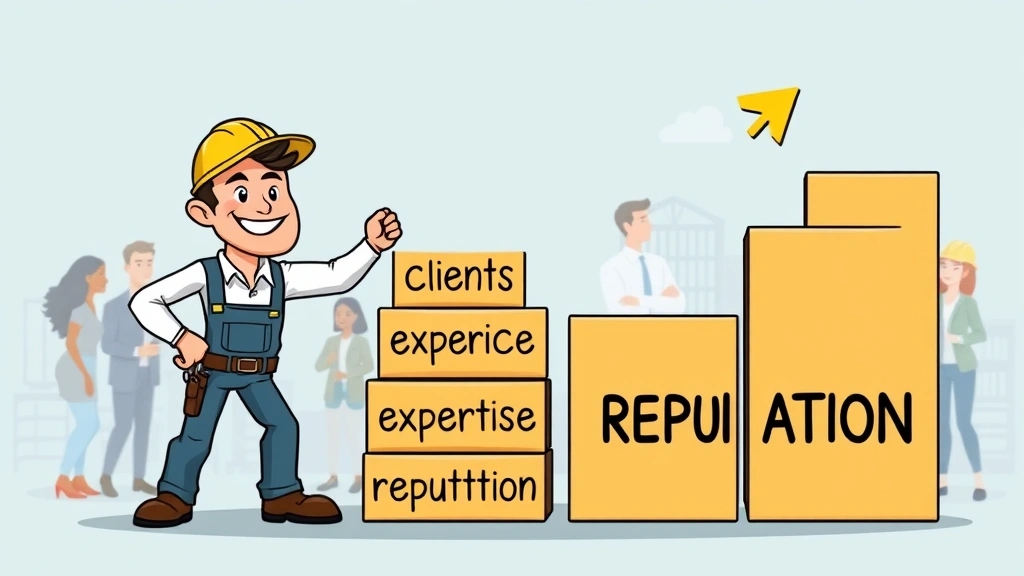
Your reputation is your most valuable asset as an independent contractor. Deliver consistently excellent work, meet deadlines, communicate professionally, and ask satisfied clients for testimonials and referrals. A strong reputation generates inbound opportunities, reducing reliance on active job searching.
Consider Incorporation and Business Structure
As your 1099 income grows, consult with a tax professional about business structure. Operating as an S-Corp, LLC, or other entity may provide tax advantages and liability protection depending on your income level and circumstances.
Diversify Your Client Base
Relying on one or two major clients creates vulnerability. Develop a diverse client portfolio so losing one client doesn’t threaten your livelihood. Aim for no single client representing more than 30-40% of income.
As you explore 1099 opportunities, consider how they complement your broader career goals. Some professionals use contract work as a bridge while pursuing jobs with tuition assistance to develop new skills. Others combine 1099 work with seasonal jobs to manage income fluctuations. The flexibility of 1099 arrangements enables creative career combinations.
For those exploring diverse opportunities, understanding various employment models strengthens your decision-making. Whether you’re interested in jobs in education administration, jobs in the automotive industry, or other sectors, the principles of client management, professional development, and financial discipline apply universally.
FAQ
What’s the difference between a 1099 contractor and a W-2 employee?
The primary difference lies in employment classification and benefits. W-2 employees receive benefits (health insurance, retirement contributions, paid time off) and have payroll taxes withheld. 1099 contractors are self-employed, responsible for their own taxes and benefits, but enjoy greater flexibility and independence. Companies don’t withhold taxes for 1099 contractors, who receive a 1099-NEC form reporting annual compensation.
How much should I charge as a 1099 contractor?
Rates vary dramatically by industry, expertise, and location. Research comparable professionals in your field using platforms like Upwork, Glassdoor, and industry-specific resources. Generally, factor in the percentage you’d lose to taxes and benefits (roughly 30-40%), then add your desired profit margin. Most successful contractors charge 50-100% more per hour than equivalent W-2 employees to account for taxes, benefits, and administrative overhead.
Do I need a business license for 1099 work?
Requirements vary by location and industry. Some states and cities require general business licenses for self-employed individuals. Certain professions (accounting, law, healthcare) require specific licenses or certifications. Check your local government’s requirements and consult a business attorney or accountant familiar with your jurisdiction.
Can I deduct my home office as a 1099 contractor?
Yes, if you maintain a dedicated space used exclusively for business. You can deduct a percentage of home expenses (rent/mortgage, utilities, internet, insurance) proportional to your office’s square footage. The IRS allows either simplified method ($5 per square foot, up to 300 square feet) or actual expense method. Keep detailed records and consult a tax professional.
What happens if a client misclassifies me as 1099 when I should be W-2?
Misclassification is a serious issue. The IRS uses a 20-factor test to determine proper classification. If you believe you’re misclassified, file Form SS-8 with the IRS requesting a determination. You can also contact your state’s labor department. Misclassified workers may be entitled to back wages, benefits, and taxes owed by the employer. Consult an employment lawyer if you suspect intentional misclassification.
How do I find 1099 opportunities in my field?
Start by identifying multiple channels: freelance platforms (Upwork, Fiverr), industry-specific job boards, professional associations, LinkedIn networking, staffing agencies specializing in contract work, and direct outreach to companies needing your services. Most successful contractors combine multiple channels rather than relying on a single source.
Should I incorporate as an LLC or S-Corp for my 1099 work?
This depends on your income level, location, and specific circumstances. Higher-income contractors (typically $60,000+ annually) may benefit from S-Corp election due to self-employment tax savings. However, the administrative and accounting costs may outweigh benefits for lower-income contractors. Consult a tax professional who understands your specific situation.
How do I handle slow periods and income gaps?
Build an emergency fund covering 3-6 months of expenses before going full-time as a contractor. During slow periods, invest time in marketing, networking, professional development, and creating semi-passive income products. Develop retainer relationships providing baseline income. Consider part-time W-2 work or gig economy jobs to supplement income during slow seasons.


