
A 1099 job represents a fundamentally different employment relationship compared to traditional W-2 positions. Named after the IRS Form 1099-NEC (Miscellaneous Income), these roles classify workers as independent contractors rather than employees. Understanding what a 1099 job entails is crucial for anyone considering freelance work, consulting, or contract-based employment in today’s gig economy.
The 1099 classification has exploded in popularity over the past decade, with more companies leveraging independent contractors to reduce overhead costs and increase flexibility. Whether you’re exploring freelance graphic design positions, educational technology opportunities, or healthcare contracting roles, grasping the tax implications, benefits, and responsibilities of 1099 work is essential for making informed career decisions.
What Exactly Is a 1099 Job?
A 1099 job is a contract position where you work as an independent contractor rather than as a traditional employee. The term comes from IRS Form 1099-NEC, which companies must file to report compensation paid to non-employees. When you accept a 1099 position, you’re essentially running your own business and providing services to a client or company on a contractual basis.
Unlike W-2 employees who work under the direction and control of an employer, 1099 contractors typically have more autonomy over how they complete their work. The company hiring you provides the end goal or deliverable, but you determine the methods, schedule, and often the tools used to accomplish the task. This independence is both a defining characteristic and a significant responsibility of 1099 work.
The IRS distinguishes between true independent contractors and employees based on several factors, including the level of control the hiring company exerts, whether the work is integral to the business, investment in equipment, and the permanence of the relationship. If you’re classified as a 1099 contractor, you’re responsible for managing all aspects of your business, including taxes, insurance, and benefits.

Key Differences Between 1099 and W-2 Employment
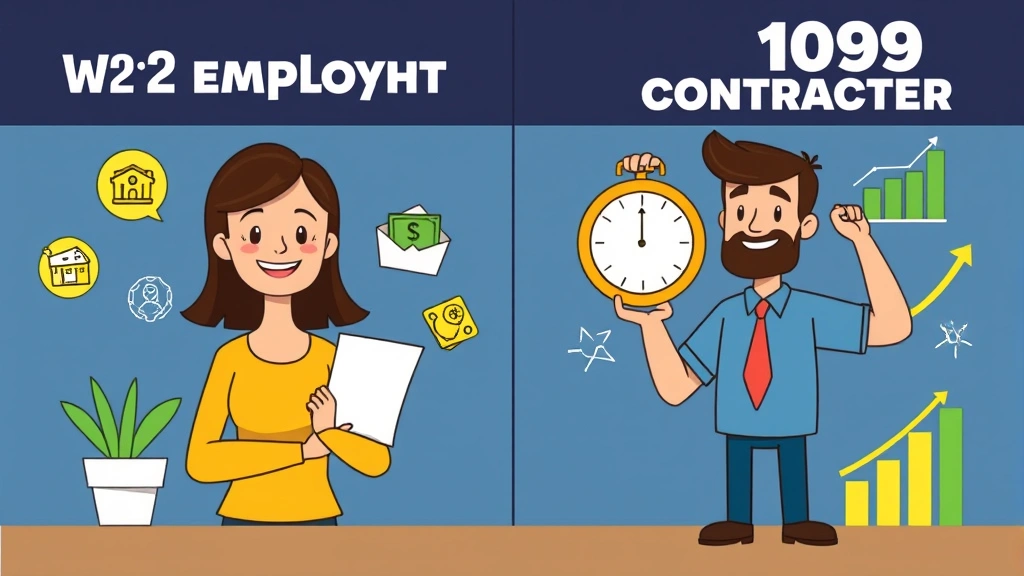
Understanding the distinctions between 1099 and W-2 positions is fundamental to evaluating whether independent contractor work suits your career goals and financial situation.
Employment Classification: W-2 employees are on a company’s payroll and subject to employment laws and regulations. 1099 contractors are self-employed business owners who provide services under a contract. This distinction affects everything from tax filing to legal protections.
Tax Withholding: With W-2 employment, your employer withholds federal income tax, Social Security, and Medicare taxes from your paycheck. As a 1099 contractor, you’re responsible for calculating and paying these taxes yourself, typically through quarterly estimated tax payments. This requires more financial planning and bookkeeping.
Benefits and Protections: W-2 employees typically receive employer-sponsored health insurance, retirement plans like 401(k)s, workers’ compensation, and unemployment insurance. 1099 contractors receive none of these benefits and must secure them independently, which can be significantly more expensive.
Work Schedule and Control: W-2 employees generally work set hours and follow company procedures. 1099 contractors have flexibility in scheduling and methodology, though they must still meet contractual deadlines and deliverables.
Expenses and Deductions: 1099 contractors can deduct legitimate business expenses from their gross income, reducing taxable income. W-2 employees have limited deduction opportunities and must meet a high threshold for itemized deductions.
Tax Obligations for 1099 Contractors
One of the most critical aspects of 1099 work is understanding your tax responsibilities. Many new contractors underestimate their tax burden and face penalties or financial hardship when taxes are due.
Self-Employment Tax: As a 1099 contractor, you must pay self-employment tax, which covers Social Security and Medicare. This tax is currently 15.3% of your net income (12.4% for Social Security and 2.9% for Medicare). Since you’re both employer and employee, you pay the full amount, though you can deduct half of it when calculating adjusted gross income.
Quarterly Estimated Tax Payments: Instead of having taxes withheld throughout the year, you must make quarterly estimated tax payments to the IRS. These payments are due April 15, June 15, September 15, and January 15. Failing to make these payments can result in penalties and interest charges.
Income Tracking and Documentation: You must maintain meticulous records of all income received and business expenses. Keep copies of invoices, receipts, bank statements, and contracts. This documentation is essential if the IRS audits your return.
Deductible Business Expenses: You can deduct legitimate business expenses, including home office costs, software subscriptions, equipment, professional development, marketing, and travel related to client work. Proper expense tracking can significantly reduce your tax liability.
Form 1099-NEC Filing: Clients who pay you $600 or more in a calendar year must file Form 1099-NEC with the IRS and provide you a copy. You’ll use this information when filing your own tax return. Keep these forms organized for easy reference during tax season.
Many 1099 contractors benefit from consulting with a tax professional or CPA experienced in self-employment taxation to ensure they’re meeting all obligations and maximizing deductions.
Benefits and Advantages of 1099 Work
Despite the additional responsibilities, 1099 jobs offer significant advantages that attract many professionals to independent contractor work.
Flexibility and Autonomy: 1099 contractors often enjoy greater control over their schedules and work methods. You can choose when and where you work, making it ideal for those seeking work-life balance or the ability to pursue multiple projects simultaneously. This flexibility is particularly valuable for parents, students, or those managing health conditions.
Higher Income Potential: Without company overhead and benefits to fund, contractors typically charge higher hourly rates or project fees than equivalent W-2 salaries. Over time, skilled contractors can significantly increase their earning potential by raising rates and taking on more lucrative projects.
Tax Deductions: The ability to deduct business expenses reduces your taxable income substantially. Home office deductions, equipment purchases, software subscriptions, professional development, and client entertainment can all be written off, providing real tax savings.
Diverse Work Opportunities: As a contractor, you can work with multiple clients simultaneously, exposing you to diverse projects, industries, and professional networks. This variety builds a broader skill set and makes your resume more impressive. Explore opportunities in graphic design, educational technology, and other growing fields.
Career Development Control: You decide what skills to develop, which projects to pursue, and how to market yourself. This control over your professional trajectory appeals to ambitious individuals who want to shape their own career path.
Business Building: 1099 work allows you to build a personal brand and business reputation. Over time, you can develop a client base that provides steady work and potentially grow into a larger consulting or service business.
Challenges and Disadvantages
While 1099 work offers benefits, it also presents substantial challenges that shouldn’t be overlooked.
Income Instability: Unlike W-2 employees with predictable paychecks, 1099 contractors face variable income. Projects may end unexpectedly, clients may reduce work, or seasonal fluctuations may affect available opportunities. This unpredictability makes budgeting and financial planning more difficult.
Lack of Benefits: You must personally fund health insurance, retirement savings, paid time off, and disability insurance. These costs can be substantial, particularly for family coverage, and may exceed what employers would contribute.
Self-Employment Tax Burden: The 15.3% self-employment tax on top of income tax creates a significant financial obligation. Many contractors are shocked when they realize their actual tax burden, especially if they haven’t set aside adequate funds.
No Legal Protections: 1099 contractors don’t receive unemployment insurance, workers’ compensation, or protections under employment laws like the Family and Medical Leave Act. If you’re injured or become ill, you have no safety net.
Administrative Responsibilities: You must handle invoicing, expense tracking, quarterly tax payments, and annual tax filing. This administrative burden requires time and organizational skills, or you must pay accountants and bookkeepers to handle it.
Isolation and Limited Networking: Unlike office-based employment, 1099 work can be isolating. You miss the daily interaction with colleagues and the built-in professional networking that comes with traditional employment.
Difficulty Obtaining Credit: Banks and lenders scrutinize self-employed income more carefully. Variable income and lack of traditional employment make it harder to qualify for mortgages, car loans, and credit cards.
Industries and Roles That Commonly Use 1099 Contractors
Certain industries and roles have embraced 1099 contracting as a standard employment model. Understanding which fields commonly use contractors helps you identify opportunities and set realistic expectations.
Technology and Software Development: Software engineers, web developers, app developers, and IT consultants frequently work as 1099 contractors. Tech companies often prefer the flexibility of contractor relationships, and skilled developers command premium rates.
Creative Services: Graphic designers, copywriters, content creators, and video producers commonly work on a contract basis. These roles are ideal for 1099 work because deliverables are easily defined and measured.
Consulting and Business Services: Management consultants, marketing consultants, HR consultants, and business coaches frequently operate as independent contractors, leveraging specialized expertise to help multiple clients.
Healthcare: Nurses, therapists, medical coders, and healthcare consultants often work as 1099 contractors, particularly in telehealth, locum tenens positions, and specialized consulting roles.
Education and Training: Online instructors, curriculum developers, and educational technology professionals frequently contract their services to educational institutions and ed-tech companies.
Sales and Business Development: Independent sales representatives, affiliate marketers, and business development consultants often work on commission-based 1099 arrangements.
Writing and Publishing: Freelance writers, editors, journalists, and authors typically work as 1099 contractors, selling their work to publications and content platforms.
How to Get Started With 1099 Jobs
If you’re interested in pursuing 1099 work, follow these steps to establish yourself as a successful independent contractor.
Assess Your Readiness: Honestly evaluate whether you’re prepared for income variability, administrative responsibilities, and lack of traditional benefits. Consider your financial situation, emergency savings, and risk tolerance.
Understand Tax Implications: Research your tax obligations thoroughly or consult with a tax professional. Understand self-employment tax, quarterly payment requirements, and deductible expenses specific to your field. Set aside 25-30% of income for taxes to avoid year-end surprises.
Set Up Your Business Structure: Decide whether to operate as a sole proprietor or establish an LLC or S-Corp. Each structure has different tax and liability implications. Many contractors benefit from forming an LLC for liability protection.
Determine Your Rates: Research what other contractors in your field charge. Consider your experience level, expertise, local market rates, and the value you provide. Don’t undercharge—your rate should cover all business expenses, taxes, and desired profit.
Create a Professional Presence: Build a website showcasing your portfolio, experience, and services. Develop a strong LinkedIn profile highlighting your expertise. Consider creating case studies demonstrating your value to potential clients.
Find Clients and Opportunities: Explore 1099 job listings on platforms like Upwork, Fiverr, Toptal, and industry-specific job boards. Network with former colleagues and industry contacts. Join professional associations in your field.
Establish Systems and Processes: Create invoicing templates, expense tracking systems, and contract templates. Use accounting software like QuickBooks or FreshBooks to track income and expenses. Establish a filing system for receipts and documentation.
Secure Necessary Insurance: Obtain health insurance through the ACA marketplace or professional associations. Consider liability insurance, disability insurance, and errors and omissions coverage depending on your field. These protect your business and personal assets.
Network and Build Relationships: Attend industry conferences, join online communities, and maintain relationships with former colleagues. Many 1099 opportunities come through referrals and personal networks. Consistent networking builds a sustainable client base.
Explore Benefits Programs: Look into professional development opportunities and industry associations that offer benefits to members. Some platforms and networks provide health insurance options specifically for contractors.
FAQ
What’s the difference between Form 1099-NEC and Form 1099-MISC?
Form 1099-NEC (Nonemployee Compensation) reports payments for services from non-employees. Form 1099-MISC (Miscellaneous Income) reports other types of income. The IRS moved most contractor payments to 1099-NEC in 2020, though 1099-MISC still exists for certain payment types. Your clients will determine which form applies to your situation.
Can I be classified as both a W-2 employee and 1099 contractor?
Yes, you can hold a W-2 job while working as a 1099 contractor elsewhere. Many people maintain full-time employment while freelancing on the side. However, you must report all income, pay appropriate taxes, and ensure your contracts don’t have non-compete clauses preventing additional work.
How much should I set aside for taxes as a 1099 contractor?
Most 1099 contractors should set aside 25-30% of gross income for federal and self-employment taxes. The exact amount depends on your tax bracket, state taxes, deductible expenses, and other income sources. Consulting a tax professional helps determine the right amount for your situation.
What happens if a client doesn’t pay me?
If a client fails to pay, you can pursue legal action, file a claim in small claims court, or hire a collections agency. Prevent payment issues by establishing clear contracts, requiring deposits for large projects, and using secure payment platforms. Build strong client relationships and maintain professional communication to minimize payment problems.
Do I need an LLC to work as a 1099 contractor?
Operating as a sole proprietor is the simplest option for 1099 contractors and requires no formal business structure. However, forming an LLC provides liability protection, separating your personal and business assets. Many contractors form an LLC for professional credibility and legal protection, though it involves additional paperwork and costs.
Can I deduct my home office as a 1099 contractor?
Yes, if you have a dedicated workspace used regularly and exclusively for business, you can deduct home office expenses. You can use the simplified method (deduct $5 per square foot, up to 300 square feet) or calculate actual expenses including rent, utilities, internet, and depreciation. Proper documentation is essential for this deduction.
What’s the best platform to find 1099 jobs?
Popular platforms include Upwork, Fiverr, Toptal, Guru, and PeoplePerHour for general freelance work. Industry-specific platforms are often better, such as LinkedIn for professional roles, specialized job boards for your field, and direct networking. Many contractors find their best clients through referrals and personal relationships rather than platforms.
Are there retirement options for 1099 contractors?
Yes, 1099 contractors can establish SEP-IRAs, Solo 401(k)s, or SIMPLE IRAs for retirement savings. These options often allow higher contribution limits than traditional IRAs. Establishing a retirement plan early ensures you build wealth for your future since you won’t have employer-sponsored plans.


