Table of Contents
Introduction
Love the idea of blending creativity with cutting-edge technology? If you’re drawn to graphic arts—whether you’re just starting out or already in the field looking for your next move—you’re in for an exciting journey. This industry isn’t just about making things look pretty (though that’s definitely part of it). It’s where artistic vision meets technical know-how, creating the visual experiences that surround us every single day.
Here’s what makes graphic arts so compelling: it goes way beyond traditional art. We’re talking about a thriving industry that powers advertising campaigns, publishing houses, digital platforms, and brand identities. The job opportunities? They’re everywhere. From hands-on design work to technical production roles, each position plays a crucial part in bringing visual stories to life. Want to see how this connects to other creative fields? Check out the diverse jobs in creative writing—you’ll be surprised how these skills complement each other. And if you’re wondering about getting started without experience, our guide to entry-level jobs with no experience shows you exactly how many successful designers began their journey.
Now, let’s talk about what you’ll actually need to succeed. Most graphic arts roles demand proficiency with digital tools—think Adobe Creative Suite as your new best friend. But that’s just the technical side. You’ll also need a solid understanding of design principles, color theory, and user experience. Sounds like a lot? It is, but it’s also incredibly rewarding. Take a look at the different career paths in graphic design to see which direction might click for you. Plus, understanding related fields like media and communications can open doors you didn’t even know existed—especially for roles that blend design with storytelling.
Here’s something nobody tells you upfront: your portfolio is everything. It’s not just a collection of your work—it’s your ticket to opportunities, whether you’re eyeing freelance projects or dreaming of an in-house position. Building that portfolio takes time, but it’s worth every hour you invest. Interestingly, you can learn valuable networking strategies from fields like public relations, where relationship-building and client engagement are essential (sound familiar?). And if you want to stay ahead of the curve, keep an eye on high demand jobs for 2025—the industry’s evolving fast, and you’ll want your skills to evolve with it.
What You’ll Learn in This Guide
Ready to dive in? This guide covers everything you need to know about building a career in graphic arts. Here’s exactly what we’ll walk through together:
- Overview of Graphic Arts Careers: We’ll break down the different job types available, from creative design positions to technical roles that require specialized skills—and everything in between.
- Educational Requirements and Skills: Discover what educational background actually matters, which software skills are non-negotiable, and the soft skills that separate good candidates from great ones.
- Strategies for Job Searching: Learn the most effective ways to build a standout portfolio, connect with industry professionals, and approach job applications strategically.
- Career Growth and Salary Expectations: Get realistic insights into career advancement opportunities and salary ranges, plus a honest look at freelance versus in-house work.
Think of this guide as your roadmap to a graphic arts career. We’re not just throwing theory at you—this is practical advice from people who’ve been there, combined with insights from across the broader creative job market that can give you a real competitive edge.
As we work through each section, you’ll get a complete picture of what the graphic arts profession actually looks like day-to-day. Whether you’re making your first career move or considering a complete change of direction, you’ll have the knowledge you need to make smart decisions about your future.
So let’s get started. We’ll explore the specific types of graphic arts jobs out there, what education and skills you’ll need, how to actually land those jobs, and what your career growth might look like. By the time you finish reading, you’ll have a clear, actionable plan for launching or advancing your graphic arts career—and the confidence to make it happen.
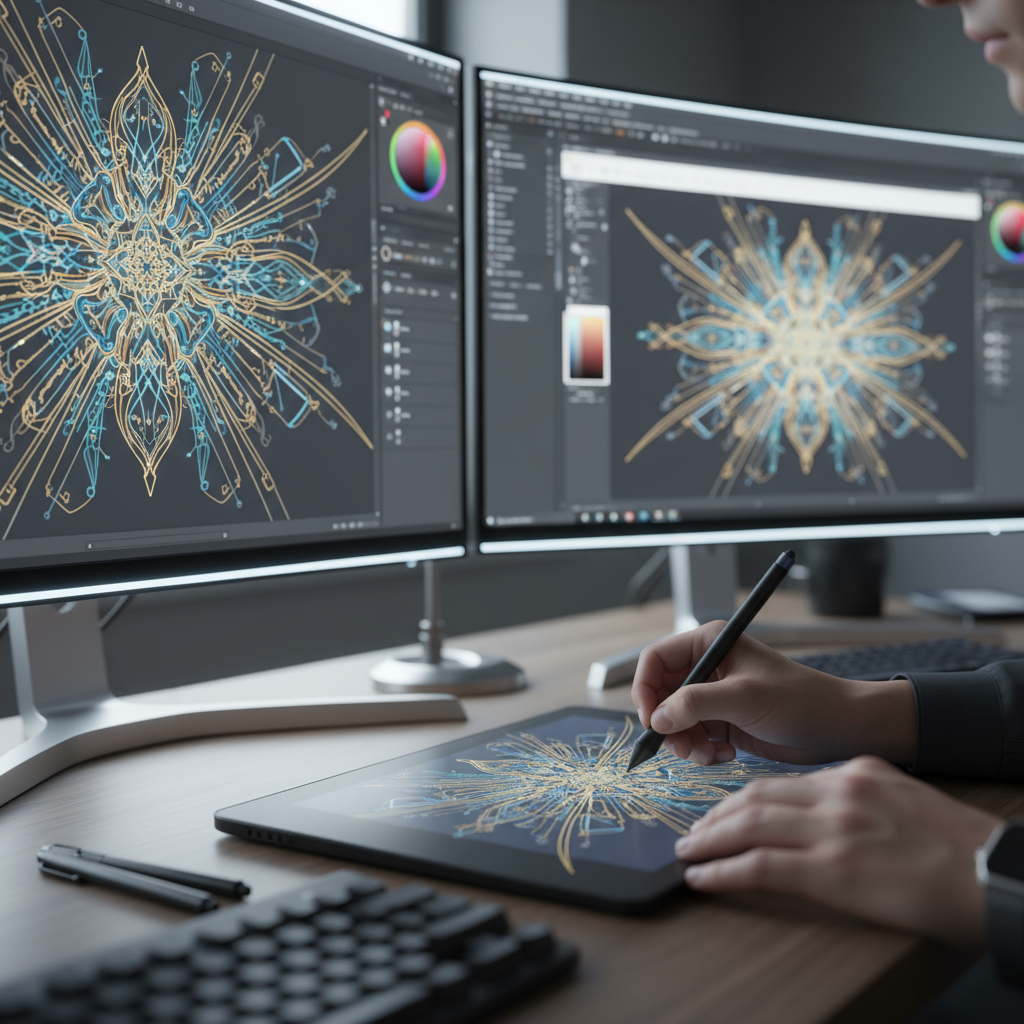
So you’re thinking about breaking into graphic arts? Smart choice. This field is absolutely buzzing with opportunities—and I’m not just talking about the obvious stuff like making pretty logos. We’re talking about a creative industry that’s constantly evolving, where your artistic vision meets cutting-edge technology, and where every project brings something new to the table. The best part? There’s room for all kinds of creative minds, whether you’re the type who gets excited about color theory or someone who loves the technical side of bringing designs to life.
Types of Jobs in Graphic Arts and Their Unique Role in the Industry
Here’s where things get interesting. The graphic arts world isn’t just “design stuff and call it a day.” You’ve got design rockstars like graphic designers, web designers, and UI/UX designers who are basically visual storytellers. These folks don’t just make things look good—they solve problems with pixels and typography. They need that perfect combo of artistic flair and tech skills, plus they better know their way around design software like it’s their second language. Want to see how this creative energy extends beyond visuals? Check out jobs in creative writing—because great design and compelling copy are like peanut butter and jelly in the digital world.
But wait, there’s more. (See what I did there?) You’ve also got the behind-the-scenes heroes—prepress technicians, print production managers, and animators who make the magic actually happen. These are the people who take a designer’s vision and turn it into something real, whether that’s a printed magazine or an animated explainer video. They’re detail-oriented perfectionists who understand both the creative vision and the nitty-gritty of production. If you’re curious about how complex workflows get managed in creative environments, take a peek at jobs in supply chain management—because managing creative production has more in common with logistics than you might think.
Key Aspects of Graphic Arts Jobs
Let’s break down what these roles actually look like day-to-day. Because knowing the job title is one thing—understanding what you’ll actually be doing is another.
- Graphic Designer: Think of them as visual problem-solvers. They create everything from business cards to billboards, and they need a killer portfolio plus serious skills in design software.
- Animator: These are the people who make static designs dance. They’re storytellers who use motion, and they need both technical animation skills and a good eye for narrative flow.
- UI/UX Designer: User experience wizards who make sure apps and websites don’t just look amazing—they actually work the way people expect them to. It’s psychology meets design.
- Print Production Manager: The orchestrators of the print world. They juggle timelines, quality control, and about a million moving parts to get projects from concept to your hands.
Now that you know what’s out there, let’s talk about how you actually get there. Because talent is great, but knowing what skills to develop? That’s how you turn passion into a paycheck.
Education and Essential Skills for Building a Successful Graphic Arts Career
Here’s the thing about education in graphic arts—it’s not just about getting a degree and calling it done. Sure, formal education gives you the foundation (design principles, color theory, software basics), but this industry moves fast. Really fast. You need to stay curious and keep learning, whether that’s through traditional degrees, online certifications, or just experimenting with new tools in your spare time. Speaking of staying current, online courses for professional development are game-changers for keeping your skills sharp and learning new techniques without breaking the bank.
But here’s what they don’t always tell you in design school: soft skills matter just as much as your Photoshop prowess. Creativity? Obviously important. But communication, problem-solving, and the ability to work with different personalities? Those skills will make or break your career. You’ll be collaborating with clients who change their minds, working with developers who speak in code, and presenting ideas to people who “just want it to pop more.” Plus, your portfolio isn’t just a collection of your work—it’s your calling card, your first impression, and sometimes your ticket to the interview. Need help standing out in a crowded field? The strategies in how to find jobs in startups apply here too, especially when it comes to networking and making your application memorable.
Key Aspects of Education and Skill Development
Success in graphic arts isn’t just about being the most artistic person in the room—it’s about building a well-rounded skill set that makes you invaluable.
- Educational Pathways: Formal degrees give you the fundamentals, but don’t sleep on workshops, certifications, and online courses. The industry evolves constantly, and your education should too.
- Software Proficiency: Adobe Creative Suite is your bread and butter, but staying curious about new tools and platforms will keep you ahead of the curve.
- Creativity and Problem-Solving: Anyone can follow a tutorial, but the best graphic arts professionals see challenges as creative opportunities waiting to happen.
- Communication and Teamwork: You’re not designing in a vacuum. The ability to explain your ideas, take feedback gracefully, and collaborate effectively will accelerate your career faster than any technical skill.

So here we are—graphic arts really is one of those fields where creativity meets technology in the most exciting ways. You’ve got everything from designing stunning graphics and websites to managing complex production workflows and creating motion graphics that make people stop and stare. Each role brings its own challenges, sure, but that’s what makes it interesting. And the career growth potential? It’s pretty impressive.
Here’s what I’ve learned matters most: yes, you need to know your way around tools like Adobe Creative Suite (that’s non-negotiable), but don’t underestimate the power of creativity, solid communication skills, and staying flexible as the industry evolves. Because it will evolve—constantly. The educational paths are more varied than you might think, too. Degrees, certifications, online courses, workshops—there’s no single “right” way to build your foundation.
We’ve covered a lot of ground on job hunting strategies, and honestly, it comes down to three things: a portfolio that showcases your range, networking that actually works, and applications that don’t sound like everyone else’s. Whether you’re drawn to freelance freedom or prefer the stability of in-house roles, understanding what you can expect salary-wise and how to advance your career will help you make smarter decisions. This field moves fast, and there’s room for people who are ready to blend artistry with innovation.
Ready to take action? Start by exploring entry level jobs with no experience if you’re just getting started. Want to think outside the traditional agency box? Check out how to find jobs in startups where your networking skills and strategic approach can really pay off. If media roles catch your interest, our guide on jobs in media and communications breaks down the skills you’ll need and where the opportunities are. Curious about branching into something completely different? Jobs in logistics and transportation might surprise you with the possibilities. And to really level up your overall career game, career development courses online offer practical skills that work across industries.
You’ve got the knowledge now—time to put it to work. Embrace that creative spark, keep sharpening your skills, and go after the opportunities that feel right for you. Success in this field isn’t just about talent (though that helps). It’s about staying curious, building real connections, and being willing to take action when opportunity knocks. Your graphic arts career is waiting. Make it happen.
Frequently Asked Questions
-
What education is needed for a graphic arts job?
- Education ranges from formal degrees in design to online courses and workshops, allowing flexibility based on the specific role and industry needs.
-
What skills are most important in graphic arts?
- Technical proficiency with software like Adobe Creative Suite, combined with creativity, communication, and teamwork skills, are essential for success.
-
How can I build a strong portfolio?
- Showcase a diverse range of work samples on online platforms, highlighting your best projects to attract potential employers or clients.
-
Are graphic arts jobs in demand?
- Yes, demand is strong, especially with the growing digital media landscape that values creative and technical graphic arts skills.
-
Can I work freelance in graphic arts?
- Absolutely. Freelance opportunities abound, offering flexibility and variety, but require proactive networking and business management skills.